
REVIEW · NORWAY
From Svolvaer: Lofoten Fishing Boat Cruise
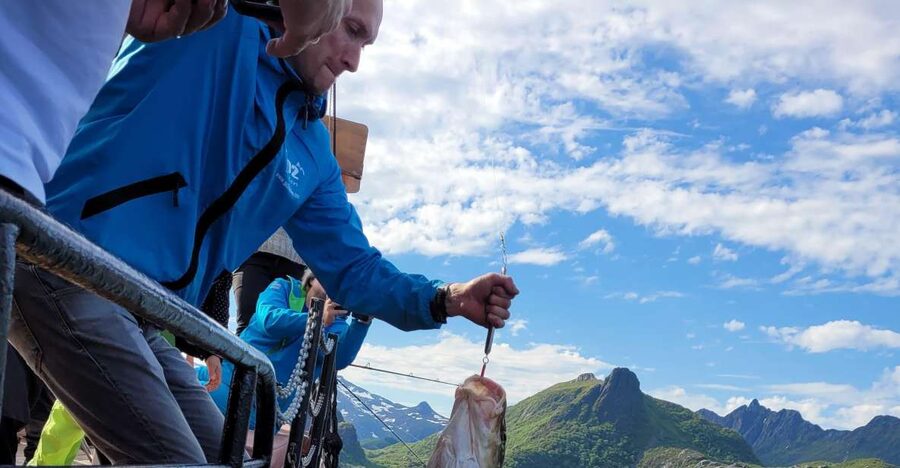
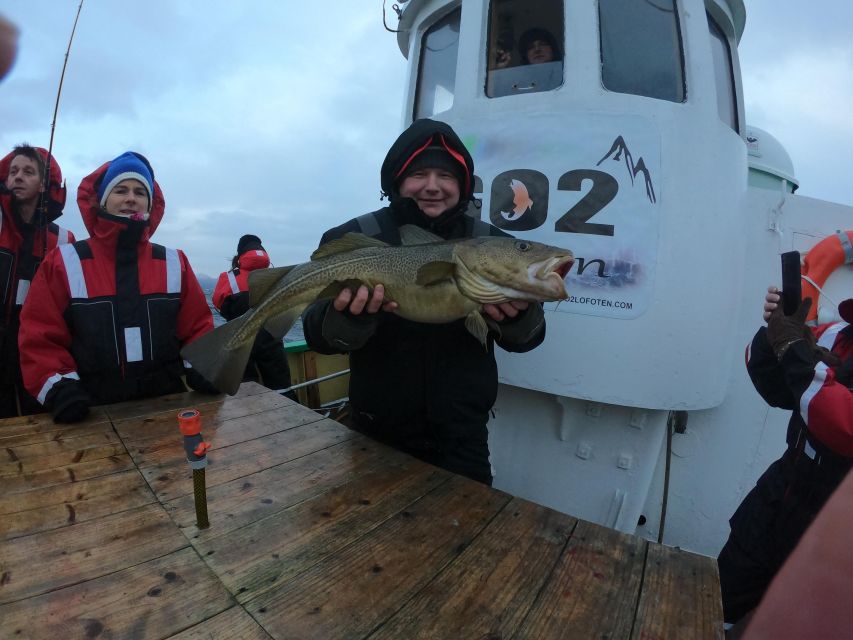
Atlantic cod, pollock, and haddock are not just names on a menu here. You can pull them from the water yourself, then take your catch home for dinner. That practical link between sea and table is the best reason to book this four-hour fishing cruise from Svolvaer.
I like two things in particular: the crew gives beginners real help without turning the trip into a lecture, and the stories about fishing life make the outing feel tied to Lofoten rather than dropped into it. Guides named Bor, Born, Bard, and Jonas receive especially warm praise for their patience and good humor. The main drawback is simple: cold, wind, and waiting are part of sea fishing, and not every rod catches fish at the same pace.
Key points at a glance
- Catch your own dinner: Fish for cod, pollock, haddock, and other local species, then prepare the catch for transport.
- A good first fishing trip: The crew explains gear, technique, safety, gutting, and basic fish handling.
- Local stories on the way: Hear about coastal culture, fishermen’s lives, and northern Norway from the crew.
- Warmth is provided: Rain gear, life vests, coffee, biscuits, and a non-alcoholic hot toddy are included.
- The sea sets the terms: Weather, waves, fish size, and your position on the boat can affect how much you catch.
- A lively finish: Feed seabirds with fish scraps as the boat returns to Svolvaer.
From Svolvaer harbor to the Lofoten fishing grounds
You meet at Sjømannsgata 5 in Svolvaer about 15 minutes before departure for registration. From there, the boat heads out into the waters around Lofoten, a place shaped for centuries by fishing.
The setting is part of the appeal. You are not simply sitting on a boat with a line in the water. You are looking back toward the islands, watching the harbor recede, and hearing about the sea as a workplace and a source of food. The crew shares stories about fishing, coastal culture, and everyday life in northern Norway while the boat moves toward suitable fishing spots.
The route is not fixed like a sightseeing bus itinerary. The captain may try several locations, looking for better fishing and calmer water. That flexibility matters because fish and weather do not follow a schedule. On some outings, the boat stays near the port during rough conditions. This can mean less dramatic sailing, but it also gives you a better chance of actually fishing rather than bouncing around offshore.
The boat has been described as well kept and, by one account, beautifully vintage. It is not presented as a luxury yacht, and you should think of it as a working fishing boat adapted for small-group excursions. That is part of its charm, but it also means space around the rail can feel limited when many people are fishing at once.
More Fishing Trips in Norway:
- Tromsø: Arctic Fjord Cruise & Fishing Experience
★ 4.7 · 4,588 reviews - Cooking Class Hoi An:Local Market, Basket Boat, Fishing & Cooking
★ 5.0 · 3,660 reviews - Makarounas Fishing Boat Trip with swimming stop and BBQ on board
★ 5.0 · 831 reviews
Learning the gear before you cast
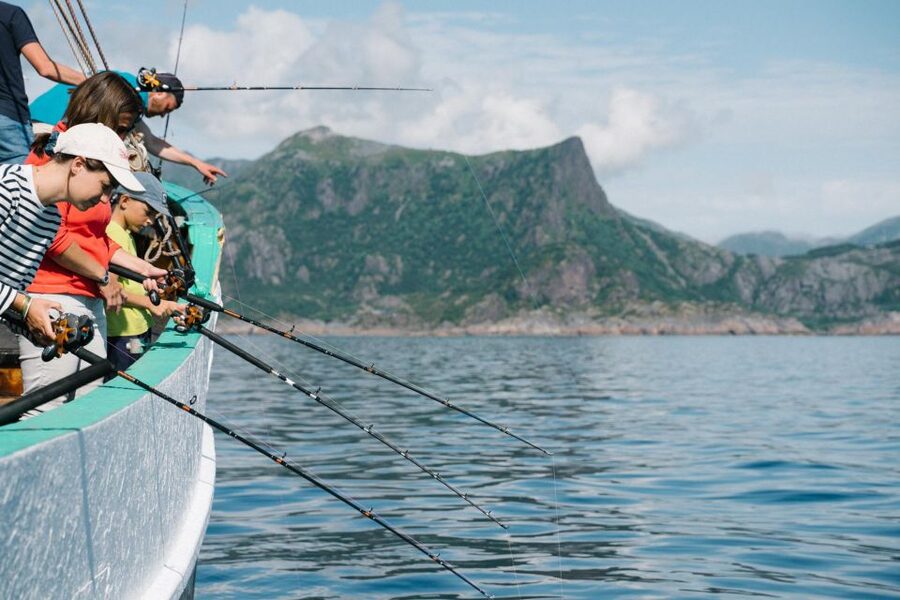
The crew begins with instructions on safety, fishing equipment, and basic technique. You do not need past fishing experience. First-time fishers have been able to catch several fish after learning how to use the rods and handle the line.
This is usually bottom fishing or similar straightforward sea fishing rather than a quiet, solitary cast from a riverbank. You lower the line, wait, and pay attention to the feel of the rod. When something takes the bait, the crew can help you bring it up. If the catch is heavy, that assistance is useful. One person even hauled up what turned out to be a large rock, a very Norwegian reminder that the sea does not promise to cooperate.
The guides seem to strike a good balance between instruction and independence. Bor, also spelled Born in some accounts, is praised for explaining clearly while giving people room to learn. Jonas is also noted for helping with the fishing and keeping the trip social. You can ask questions, but you are not expected to be an expert or perform for the group.
There is one practical limitation. If around 11 people are fishing from one side of the boat, rods can cross and some people may spend time waiting for space. Equipment may not feel perfectly equal from rod to rod, and one rod can appear luckier than another. That is worth knowing if your main goal is constant fishing action. The trip is best viewed as a shared outing, not a private charter where every minute belongs to your own line.
Four hours of real fishing, not a quick photo stop
The advertised duration is four hours, which gives the captain time to try more than one fishing spot. Several accounts describe moving between locations in search of cod and pollock. When the fish are active, the time can pass quickly. One outing produced seven fish for a beginner, while other groups caught enough for several meals.
Still, fishing has quiet stretches. You may spend part of the cruise watching the line and waiting. A few people may catch several fish while someone beside them catches none. This is not a flaw that the crew can always fix. The captain can adjust the location, but nobody can guarantee a full bucket.
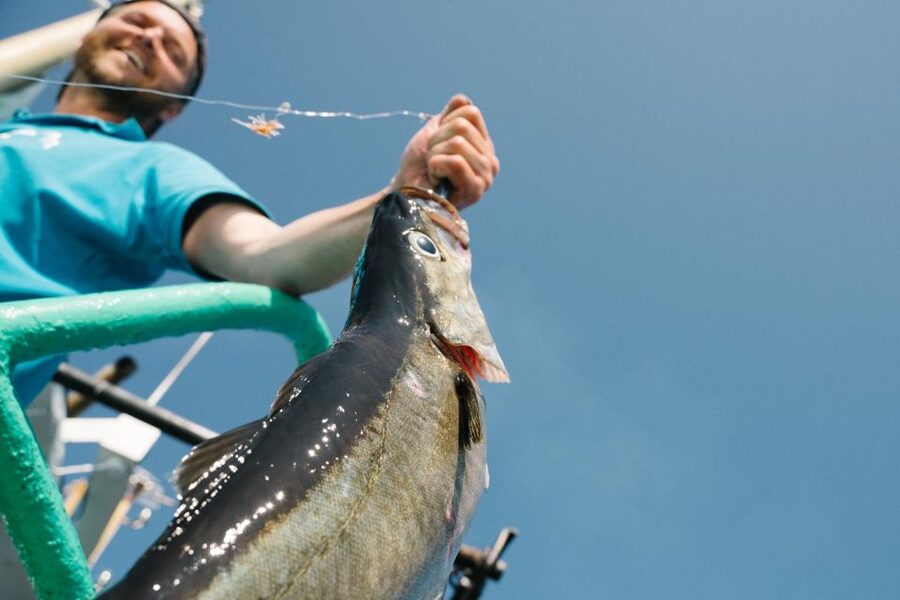
The catch also varies in size. Cod large enough to make a memorable meal have been landed, including one reported Atlantic cod weighing 7.4 kilograms. On other days, smaller fish made up much of the catch. Fish that are too small may be returned to the sea or used as food for eagles and other seabirds.
That unpredictability is part of the honest appeal. You are taking part in fishing, not buying a guaranteed seafood package. If you need a certain number of fish, you may be disappointed. If you like the idea of learning a local skill and accepting what the sea provides, four hours gives the activity room to work.
Cod, pollock, haddock, and the chance of a proper meal
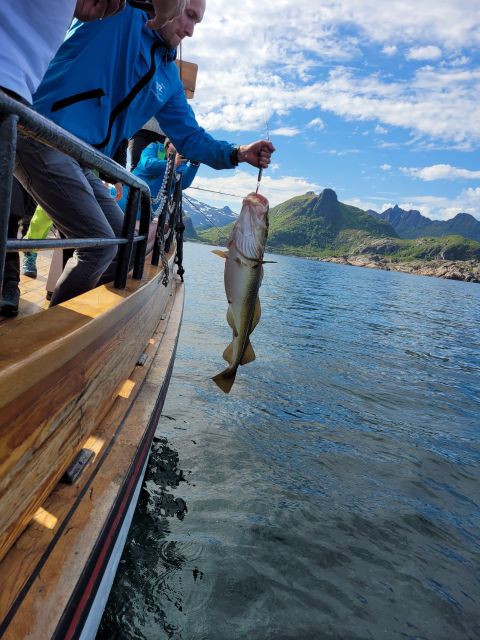
The main targets include cod, pollock, and haddock, along with other local fish. The exact catch depends on the day and the fishing spot. Some people have also caught mackerel, then grilled it the same evening.
The useful part is that your catch can be taken home. The crew can help gut and prepare the fish for transport, and equipment is available for cleaning. Some outings include a demonstration of filleting, while the exact level of hands-on help may vary. If you want to learn, ask directly when the fish come aboard.
Do not assume that every fish will arrive fully filleted for you. One account specifically notes that the crew demonstrated the process and supplied equipment, but did not fillet the fish for everyone. Another describes the captain filleting cod for the group. The safest expectation is that you will receive help with cleaning and packing, with the amount of assistance depending on the crew, the catch, and the day.
This is a strong feature for people staying somewhere with access to a kitchen. You can turn the excursion into dinner and understand the food on your plate in a more direct way. If you are staying in a hotel without cooking facilities, ask yourself in advance what you will do with the fish. The crew helps prepare it for transport, but the trip does not remove that practical question.
A few more boat days around Norway worth a look
- From Bergen: The Original Fjord Cruise to Mostraumen
★ 4.7 · 8,440 reviews - Stavanger: Electric Fjord Cruise to Lysefjord & Preikestolen
★ 4.6 · 8,385 reviews - Oslo: Oslo Fjord Sightseeing Cruise by Sailing Ship
★ 4.5 · 5,790 reviews - Oslo: Scenic Fjord Cruise with Audio Guide Commentary
★ 4.5 · 5,375 reviews
Stories of fishermen and life along the coast
The fishing lesson is only half the activity. While the boat runs between spots, the guides talk about fishing traditions, coastal culture, and life in Lofoten. The stories give the outing more meaning than a standard rod-and-reel session.
Lofoten is closely linked to the sea, and the crew can explain how fishing shapes work, food, and local identity. You may hear stories from fishermen’s lives and bits of regional history. The strongest guides do not force a formal talk. They explain things as the journey unfolds, answer questions, and let the group enjoy the view.
That informal approach works well for first-time fishers. You learn why the waters matter while doing something connected to them. It also suits people who want a local activity but are not interested in a long museum visit or a staged cultural show.
The quality of the outing depends partly on the guide you have that day. Names associated with especially warm and helpful trips include Bor, Born, Bard, and Jonas. The repeated praise is not just for fishing skill. It is for patience, clear explanations, and a willingness to help without rushing people.
Coffee, rain gear, and the cold-weather reality
The boat provides fishing equipment, rain gear, and life vests. Coffee, biscuits, and a non-alcoholic hot toddy are also included. These small comforts matter more than they might on paper, especially when you are standing still in wind for several hours.
In spring, autumn, and winter, ask for the warm suits, waterproof trousers, jackets, and gloves if they are offered. Several people found extra clothing essential in April, November, December, and January. Even when the water is calm, cold air and wind can wear you down.
Summer is not automatically warm. A late May outing included wind, rain, and cold conditions, while another July trip was comfortable enough for a pleasant fishing session. The weather can change quickly around Lofoten, so wear warm layers and shoes that can handle wet conditions even though outer rainwear is supplied.
Sea sickness is also possible. One person enjoyed the trip but felt a little unwell on the water. If you know you are sensitive to boat movement, prepare accordingly. Calm conditions may make the outing easy, but the crew cannot guarantee them.
The four-hour length is a benefit in good weather and a challenge in deep cold. In winter, one group found the final hour difficult despite wearing many layers. You should book this as an outdoor sea activity, not as a warm indoor cruise with occasional fishing.
Seabirds, fish scraps, and the ride back
The return journey has its own small ritual. The crew may use fish guts from the day’s catch to feed seabirds. This can bring birds close to the boat and offers a final look at the connection between fishing and the local ecosystem.
Eagles have also been spotted from the boat. Smaller or unsuitable fish may become food for birds rather than being wasted. That is a simple but memorable end to the trip, especially for anyone interested in wildlife but not taking a dedicated bird-watching excursion.
Once back in Svolvaer, the crew helps prepare the fish for transport. If you want to keep your catch, bring a plan for storing or cooking it after the cruise. The outing gives you the ingredients, but your evening meal is still your responsibility.
Is $135 a fair price?
At $135 per person, this is not the cheapest way to spend four hours in Svolvaer. The value comes from the bundle: boat transport, crew, fishing equipment, safety equipment, rain gear, instruction, local stories, and help with the catch.
A short harbor cruise might cost less, but it would not give you the chance to bring home cod or pollock. A private fishing charter would likely offer more personal space, but could cost much more. This trip occupies the middle ground: a shared, hands-on outing with practical support.
I think the price is fair if you want more than scenery. You are paying for access to fishing grounds, equipment you do not need to pack, a crew that can help beginners, and a local food experience. It is especially good value for a couple or small group that catches enough fish for dinner.
The value drops if you dislike waiting, cold weather, or shared boat space. You might also prefer another activity if your main aim is a guaranteed wildlife sighting or a quiet scenic cruise. Fish catches vary, and the sea remains in charge.
Who should book this fishing cruise?
This trip suits first-time fishers particularly well. The crew teaches the basic technique, helps with heavy catches, and explains fish handling. Solo visitors can also fit in easily because the activity is social and the crew keeps people involved.
It is a good choice for adults, families with suitable older children, and anyone curious about northern coastal life. Food-minded visitors will appreciate taking home fish, while photographers and sightseers get changing views around Svolvaer as the boat moves between spots.
You should think twice if you have limited mobility, since the activity is not suitable for people with mobility impairments. You should also be comfortable with cold, wind, wet weather, and the possibility of sea sickness.
Plan to arrive about 15 minutes early at Sjømannsgata 5. The tour is offered in Norwegian and English, and you can cancel up to 24 hours before departure for a full refund. Reserve now and pay later is available, which helps if your Lofoten schedule depends on changing weather.
Should you book it?
Book this cruise if you want to do something active, local, and useful with your four hours. The strongest reason is not simply catching a fish. It is learning how the sea supplies food, hearing about fishing life from the crew, and handling your own catch from water to kitchen.
Go with realistic expectations. You may catch a large cod, several pollock, or only a couple of small fish. You may fish in bright summer weather or spend four cold hours wishing for another layer. If you accept that uncertainty, the $135 price buys a genuine Lofoten activity rather than a quick photo stop.
FAQ
Where does the Lofoten fishing cruise depart from?
The meeting point is Sjømannsgata 5 in Svolvaer, Nordland County, Norway.
How long does the fishing cruise last?
The cruise lasts four hours.
How early should I arrive?
Arrive approximately 15 minutes before departure for registration.
What fish might I catch?
The main species include cod, pollock, and haddock. Other local fish, including mackerel, may also be caught.
Can I take the fish home?
Yes. You can take home the fish you catch, and the crew assists with preparing and packing it for transport.
Does the crew fillet the fish?
The crew can assist with gutting and filleting, and a filleting demonstration may be provided. The exact level of hands-on filleting help can vary, so ask the crew when your catch comes aboard.
Is fishing equipment provided?
Yes. Fishing equipment, rain gear, and a life vest are included.
Are food and drinks included?
Coffee, biscuits, and a non-alcoholic hot toddy are included.
What languages are spoken on the tour?
The live guides speak Norwegian and English.
Just added around Norway
- Oslo: Oslofjord Fjord-Style Dinner Cruise★ 4.2 · 438 reviews
- Oslo: Fjord Mini Cruise by Wooden Sailing Ship★ 4.5 · 503 reviews
- Oslo: 3-Course Dinner & Live Music Cruise on the Oslofjord★ 4.5 · 427 reviews
- Oslo: Grand City Sightseeing Tour by Bus with Fjord Cruise★ 4.6 · 647 reviews
- Bergen: UNESCO Fjord Cruise, Flåm & Stegastein – Incl. Lunch★ 4.7 · 588 reviews
- Geiranger: Guided Geirangerfjord Boat Tour★ 4.7 · 728 reviews
- From Svolvaer: Trollfjorden Wildlife RIB Cruise★ 4.8 · 355 reviews
- From Svolvær: RIB Boat Lofoten Trollfjord Sea Eagle Safari★ 4.9 · 754 reviews
Fishing, compared.
Makarounas Fishing Boat Trip with swimming stop and BBQ on board
Read our review →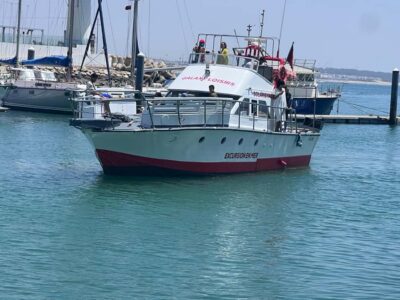
Day Boat Trip in Agadir: Fishing, Fish BBQ & Swimming
Read our review →Browse the lists this tour appears in