
REVIEW · TROMSO
Tromsø: Whale Watching Tour by Hybrid-Electric Boat
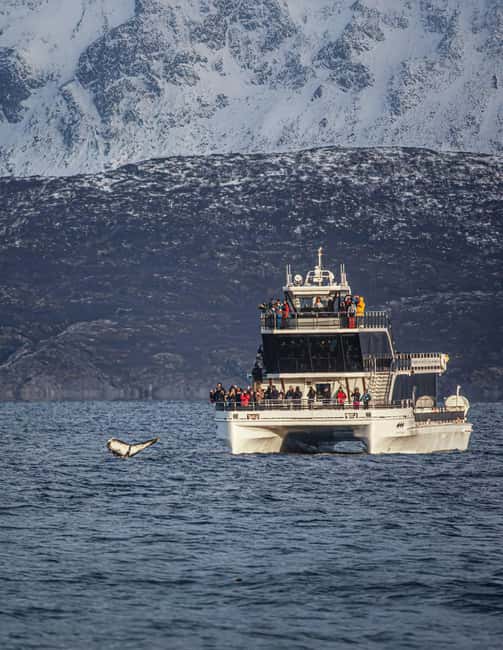
The real prize here is not simply spotting a whale. It is watching orcas and humpbacks feed in Arctic fjords from a quiet hybrid-electric catamaran, with snowy mountains sliding past the windows. When the crew finds whales, the boat switches to electric power to cut noise and vibration around the animals.
I like the heated indoor lounges, which make a long day at sea far easier, and I like the guides’ mix of whale facts and local stories. The strongest trips have included orcas, humpbacks, fin whales, and even sperm whales. The catch is simple: you may spend three to four hours getting to the feeding grounds, and no whale sighting is guaranteed.
- Whale country near Skjervøy: Spend about 1 to 1.5 hours searching the herring-rich fjords where whales gather.
- Hybrid-electric viewing: The boat runs quietly near the animals, helping reduce engine noise and disturbance.
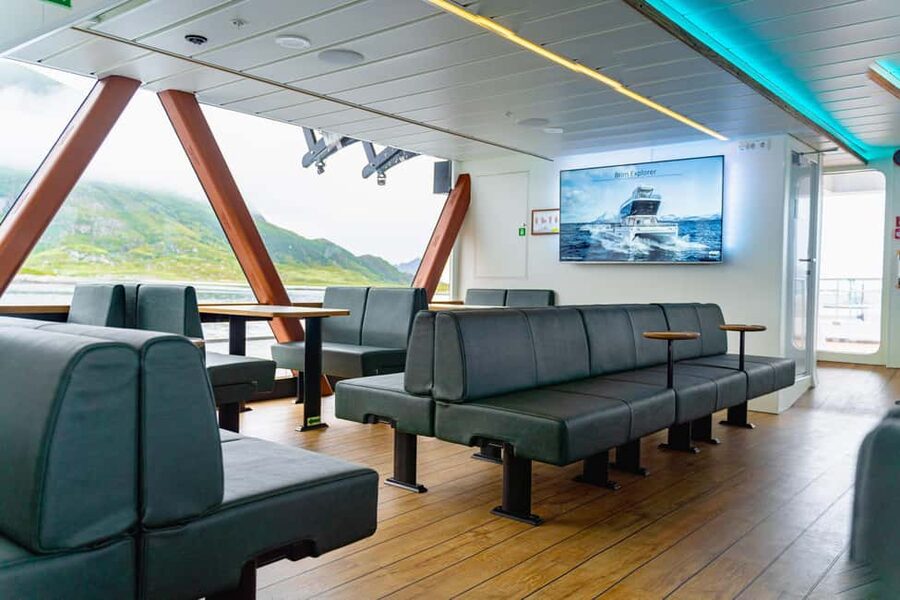
- Comfort for a long Arctic day: Heated saloons, broad windows, several decks, Wi-Fi, and onboard food and drinks make the journey manageable.
- A serious time commitment: The trip usually lasts about 9 hours, though the exact duration can range from 7 to 9 hours.
- A strong success record: The operator advertises whale sightings on more than 95 percent of departures, but nature keeps the final say.
- Best preparation: Bring wool layers, warm footwear, and seasickness medication if you are prone to motion sickness.
Why the long trip is part of the whale experience
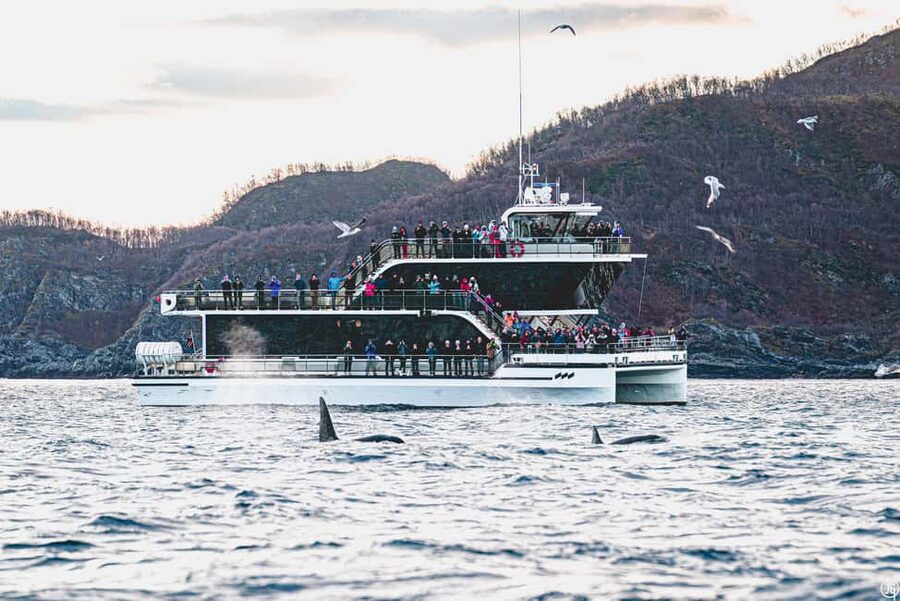
This is not a quick harbor cruise. The boat leaves Tromsø in the morning and heads north toward Skjervøy, where herring draw whales into the fjords during the season. You can spend roughly three to three and a half hours reaching the feeding area, followed by about one to one and a half hours looking for animals, then the return trip to Tromsø.
That sounds like a lot of transit because it is. Still, the journey gives you time to watch the Arctic change around you. The route passes frozen shores, steep fjords, open water, and shifting winter light. On a clear morning, sunrise may color the mountains. On the way back, sunset or even a glimpse of the Northern Lights can add an unexpected finish.
I would book this as a full-day centerpiece, not as a spare activity squeezed between a morning museum visit and an evening dinner reservation. The timing can shift with the whales’ location, and the crew’s job is to search properly rather than turn around at a fixed hour.
Boarding beside Skarven Kro in Tromsø
The meeting point is the pier beside Skarven Kro Restaurant at Kaigata 6. Look for the white boat marked with the Brim Explorer name. The activity returns to the same area at the end of the day.
Before departure, you receive an 18-minute safety briefing in Tromsø. This matters more than it sounds. Arctic water can be cold and rough, and the boat has several viewing areas, indoor lounges, and outdoor decks. Knowing where to move and how to dress makes the day more relaxed.
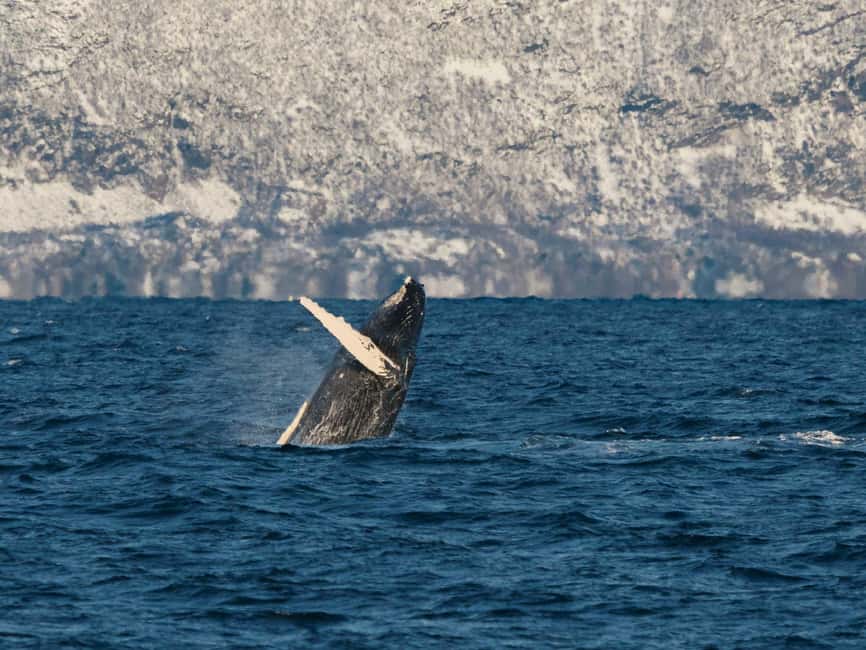
The boat can carry more than 100 people, so this is not an intimate little skiff. That is the tradeoff for comfort, stability, and room to move. The large windows and multiple levels mean you do not need to fight for one perfect seat, though boarding can bring a brief rush as people choose tables and viewing spots.
If you want a good outside view, head out when the crew announces a sighting. If the wind bites, you can retreat to the warm saloon and continue watching through the panoramic glass.
More Whale Watching Trips in Norway:
- Tenerife: Eco-Yacht Whale and Dolphin Watching and Swimming
★ 4.7 · 15,619 reviews - Los Cristianos Respectful No-Chase Whale and Dolphin Safari
★ 4.6 · 12,782 reviews - Reykjavík: Whale Watching and Marine Life Cruise
★ 4.6 · 9,838 reviews
The first hours: fjords, sunrise, and whale country
The early part of the cruise is as much about scenery as wildlife. The route includes a scenic stop around Grøtnesdalen, with time for photos, guided commentary, and views from the boat. You may pass frozen shores and narrow fjord sections while the guides explain what you are seeing.
This is also when the crew fills in the blanks. You can expect talks about humpback, fin, sperm, and orca behavior, along with stories connected to the Tromsø area. The commentary helps the long crossing feel purposeful instead of like dead time.
The ride is not always smooth. One account described a short rough stretch of about 30 minutes, while other outings have been calm. That variation is normal in open Arctic water. If you get seasick, sit near the center of the vessel, keep your eyes on the horizon when possible, and bring medication before departure. The onboard crew can offer practical help, but prevention is much easier than recovery.
Some departures have used a bus and boat arrangement, with part of the group traveling by road to the whale area and returning by boat, or the reverse. That format shortens time on the water and gives you a second view of the region, though a bus ride of close to four hours can feel long. If your departure uses this arrangement, the scenery helps, and the bus has been described as comfortable with Wi-Fi and charging points.
Skjervøy and the search for whales
The main wildlife stop is around Skjervøy. This is where the vessel slows down and the crew begins a more focused search among the fjords and feeding grounds.
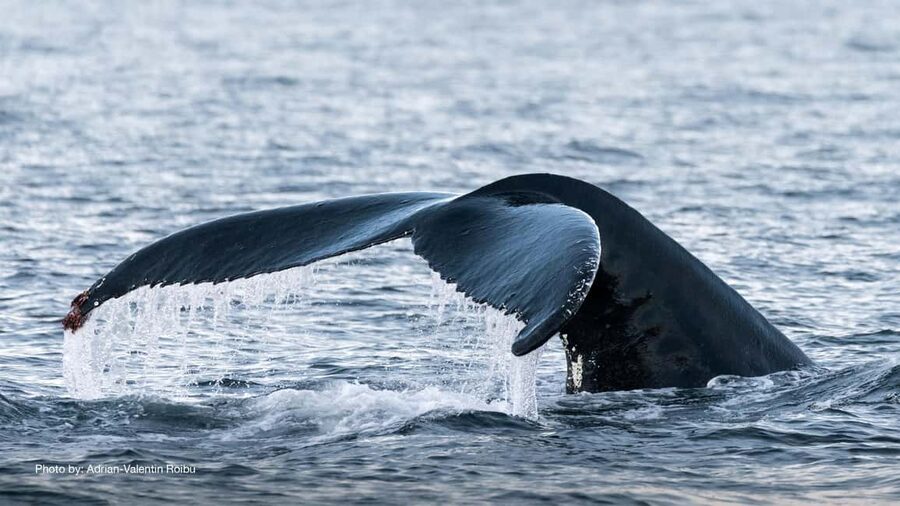
The captain watches the water while the guides scan for blows, fins, and movement on the surface. You might see a humpback’s back and tail, a fin whale’s tall, narrow profile, a sperm whale surfacing, or an orca pod moving in formation. The animals are wild and free to choose their distance, so sightings can range from a brief appearance to repeated surfacing over a longer period.
The most exciting reports include several pods of orcas, baby orcas, and humpbacks close enough to make the viewing memorable. Fin whales and sperm whales have also appeared, especially later in the season. You should treat the advertised 95 percent success rate as a useful indication of strong conditions and experience, not a promise for your particular day.
The crew does not simply race toward the first animal. Once whales are found, the boat switches to its electric, quieter mode. The aim is to reduce noise and vibration, then allow the animals to decide how close they want to come. This can mean a whale remains farther away than it would beside a small rigid boat, but the approach is less intrusive and fits the operator’s stated wildlife policy.
That choice is important for you as a visitor. A small boat may sometimes feel more immediate, but this catamaran gives you a wider view, indoor shelter, and a less frantic way to watch. Orcas can be shy, and they may show more interest in smaller boats nearby. Even from a greater distance, seeing a pod travel through a snowy fjord is a powerful Arctic moment.
What the guides add to the day
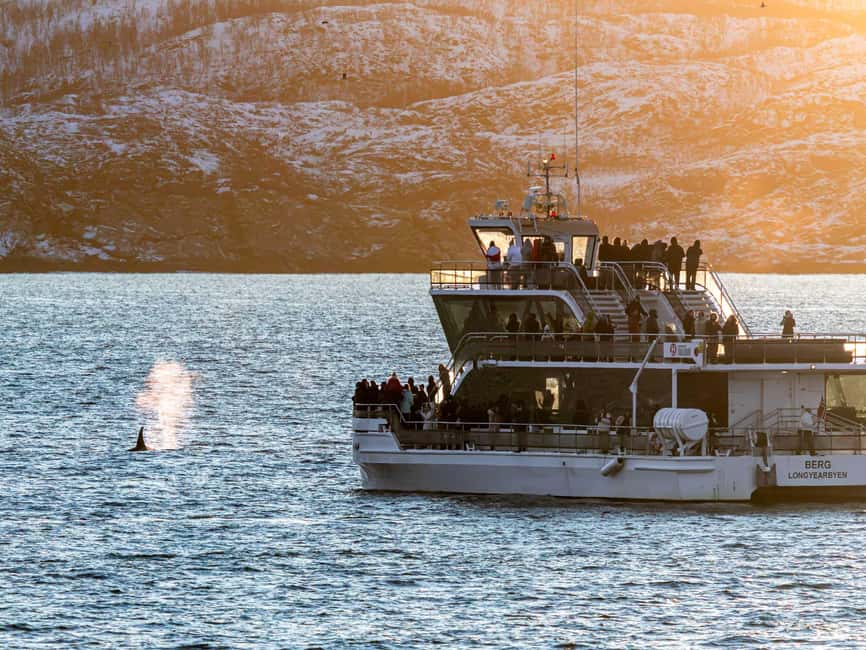
The guides are a major part of the experience. The best commentary is short, lively, and timed around the journey rather than delivered as one long lecture. You hear about whale species, feeding behavior, local conditions, and the sights along the route.
Guides named Connor, Bee, Adrian, and Ivan have been praised for warmth, humor, and clear explanations. Connor, in particular, has been noted for bringing an unexpected Australian voice to the Arctic. The crew’s energy matters because a long wildlife search can include quiet stretches with nothing obvious on the water.
The talks also make you a better observer. Once you know what a blow looks like or how a humpback surfaces, you have a better chance of spotting the animal before it disappears. Still, do not expect the crew to point out every whale instantly. A large boat carries many eyes, and some sightings happen quickly or at a distance.
A few more boat days around Norway worth a look
- From Bergen: The Original Fjord Cruise to Mostraumen
★ 4.7 · 8,440 reviews - Stavanger: Electric Fjord Cruise to Lysefjord & Preikestolen
★ 4.6 · 8,385 reviews - Oslo: Oslo Fjord Sightseeing Cruise by Sailing Ship
★ 4.5 · 5,790 reviews - Oslo: Scenic Fjord Cruise with Audio Guide Commentary
★ 4.5 · 5,375 reviews
Warm saloons, open decks, and onboard food
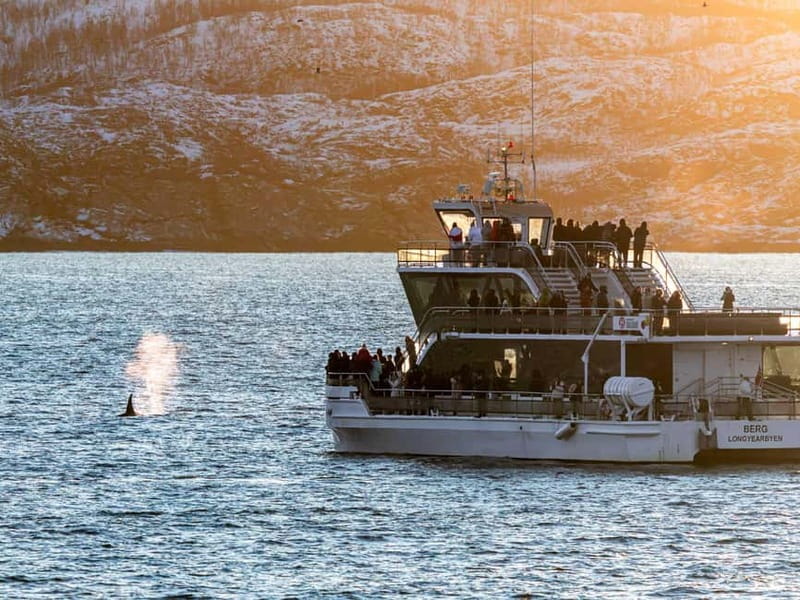
The boat’s design is aimed at sightseeing rather than speed alone. Heated indoor saloons with panoramic windows give you a warm base, while outdoor decks provide fresh air and a clearer view when the weather cooperates.
The saloons are especially valuable on a nine-hour winter outing. You can warm your hands, dry off a little, and still watch the fjords through the glass. The boat also has Wi-Fi and tap water.
Food and drinks are available to buy onboard. Coffee and tea have been especially welcome after time outside, and the bar carries several options. Lunch is not included, so I would check the available menu and consider bringing a small snack if you have dietary needs or prefer to keep costs down.
The boat is comfortable, but comfort does not cancel the cold. The outside decks can be icy, and the wind on open water cuts through light clothing quickly. Wear wool or equivalent thermal layers, a warm hat, gloves, and shoes with a secure grip. You can always remove a layer indoors. You cannot add one you left at the hotel.
Is $195 a fair price?
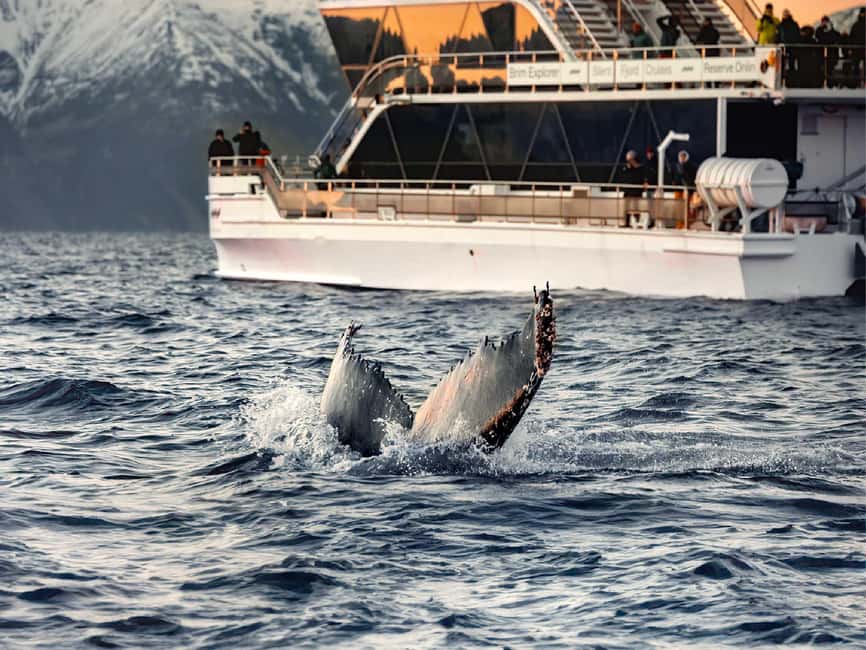
At $195 per person, this is an expensive day out. The value depends on what you want from a whale tour.
You are paying for a full Arctic excursion, not only the wildlife search. The price includes the guide, heated saloons, the purpose-built hybrid-electric boat, Wi-Fi, tap water, and the long journey to the feeding grounds. You also get a larger, steadier platform than a small open boat and a quieter approach near the whales.
The cost feels easier to justify if you value responsible viewing and comfort. It is also a reasonable use of a full day in Tromsø if whales are high on your list. The price feels harder to justify if you want a quick, guaranteed sighting or dislike long transport periods.
Lunch is extra, and drinks are extra. That is a small but real budget point. I would plan for at least one paid drink or snack, especially if you are outside for a long stretch.
The return through Haugnoes

After the whale search, the boat heads back toward Tromsø, passing through the Haugnoes area. This part of the route includes more scenic viewing, photo opportunities, and changing light. By now, the boat ride may feel shorter because you have had the main wildlife encounter and can settle into the return.
The return is also your chance to review the day without rushing. You might see more birds or marine life, though no extra sighting should be expected. Sunset can be part of the journey, and under the right conditions you may catch the Northern Lights.
You arrive back at Kaigata 667, the same general meeting point. Because the trip can last anywhere from 7 to 9 hours, keep evening plans flexible.
Who should book this whale tour?
I would choose this tour if you want a comfortable, lower-noise way to search for whales and are willing to give it most of a day. It suits first-time Arctic visitors, families who need a warm indoor retreat, photographers who want broad views, and anyone who prefers a larger vessel to a small, bouncy boat.
It also works well for people who are interested in more than a checklist sighting. The guides explain the animals, the route, and the reasons for keeping distance. That turns the search into a better wildlife experience.
I would think twice if you get badly seasick, have very little time in Tromsø, or need a fixed return time. The crossing is long, weather can change, and whales may be in a different place from one day to the next.
Should you book the Brim Explorer whale tour?
Book it if seeing Arctic whales is one of your main reasons for visiting Tromsø. The combination of a strong sighting record, a purpose-built hybrid vessel, warm viewing areas, and thoughtful wildlife practices gives the day real substance.
Go in with the right expectations: you are buying a serious search, not a guaranteed performance. Bring proper layers, plan for possible seasickness, budget for food, and leave your evening open. If the whales cooperate, you may see orcas, humpbacks, fin whales, or sperm whales against snowy fjords. If they do not, you still get a long, scenic trip through Arctic water with a crew working hard to find them responsibly.
FAQ
Where does the whale watching tour begin?
Meet the crew at the pier beside Skarven Kro Restaurant at Kaigata 6 in Tromsø. Look for the white Brim Explorer boat.
How long does the excursion last?
The stated duration is 9 hours, but the trip can take between 7 and 9 hours depending on where the whales are located.
Which whales might I see?
Possible sightings include humpback whales, fin whales, sperm whales, and orcas. No specific species is guaranteed.
Is whale watching guaranteed?
No. The operator reports a success rate of more than 95 percent and will make every effort to find whales, but wildlife sightings cannot be promised.
What should I wear?
Bring warm clothing, including wool or similar thermal layers. It is cold outside on the Arctic water, and the decks can be icy. The indoor saloons are heated.
Is food included?
No. Food and drinks can be purchased onboard, but lunch is not included. Tap water is provided.
Just added around Norway
- Oslo: Oslofjord Fjord-Style Dinner Cruise★ 4.2 · 438 reviews
- Oslo: Fjord Mini Cruise by Wooden Sailing Ship★ 4.5 · 503 reviews
- Oslo: 3-Course Dinner & Live Music Cruise on the Oslofjord★ 4.5 · 427 reviews
- Oslo: Grand City Sightseeing Tour by Bus with Fjord Cruise★ 4.6 · 647 reviews
- Bergen: UNESCO Fjord Cruise, Flåm & Stegastein – Incl. Lunch★ 4.7 · 588 reviews
- From Svolvaer: Lofoten Fishing Boat Cruise★ 4.7 · 621 reviews
- Geiranger: Guided Geirangerfjord Boat Tour★ 4.7 · 728 reviews
- From Svolvaer: Trollfjorden Wildlife RIB Cruise★ 4.8 · 355 reviews
Whale Watching, compared.
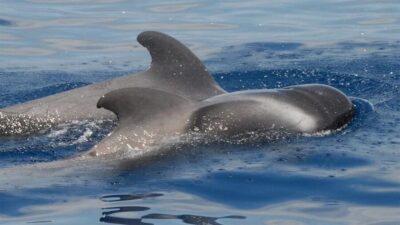
Eco-Yacht Whale and Dolphin Watching and Swimming
Read our review →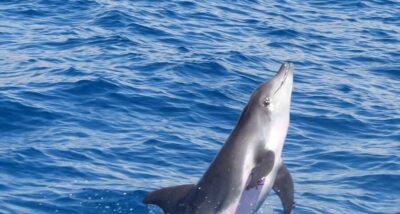
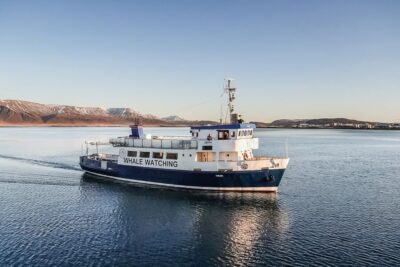
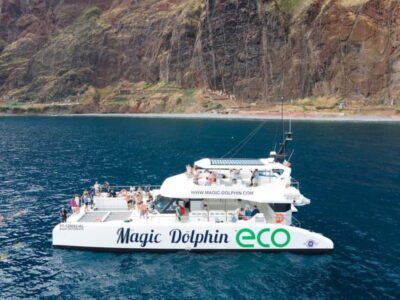
Whale & Dolphin Eco-Cruise with Snacks & Drinks
Read our review →
Dolphin & Whale Watching Cruise with Swim Stop
Read our review →Browse the lists this tour appears in