
REVIEW · AUSTRALIA
Cairns: Daintree Rainforest Wildlife Experience Cruise
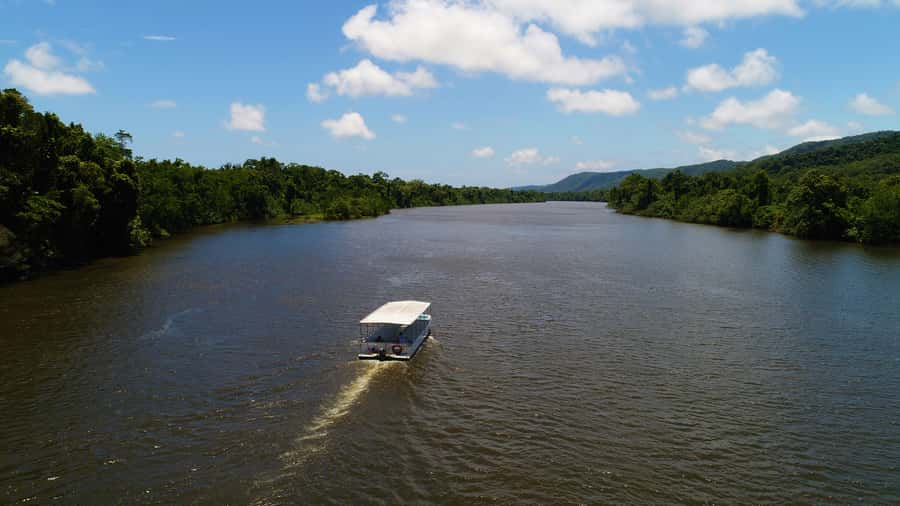
The best reason to take this Daintree River cruise is simple: you are looking for crocodiles in the place they actually live, not in an enclosure. The boat moves through a mangrove estuary where saltwater crocodiles may lie almost unseen along the bank, with only a pair of eyes above the water.
I like the excellent guides, who do more than point out crocodiles. Guides such as Charly, Adam, and Chris have been praised for explaining the river, mangroves, weather, and animals in clear, lively detail. I also like the price: at $24 for a full hour, with tea or coffee and a biscuit included, this is one of the better-value wildlife activities near the Daintree.
The main catch is that wildlife is never on a timetable. You may see several large crocodiles, hatchlings, snakes, and birds, or only one or two smaller animals. Hot weather can make crocodiles less visible, while rain can reduce visibility, so keep expectations realistic.
Key points to know before you book
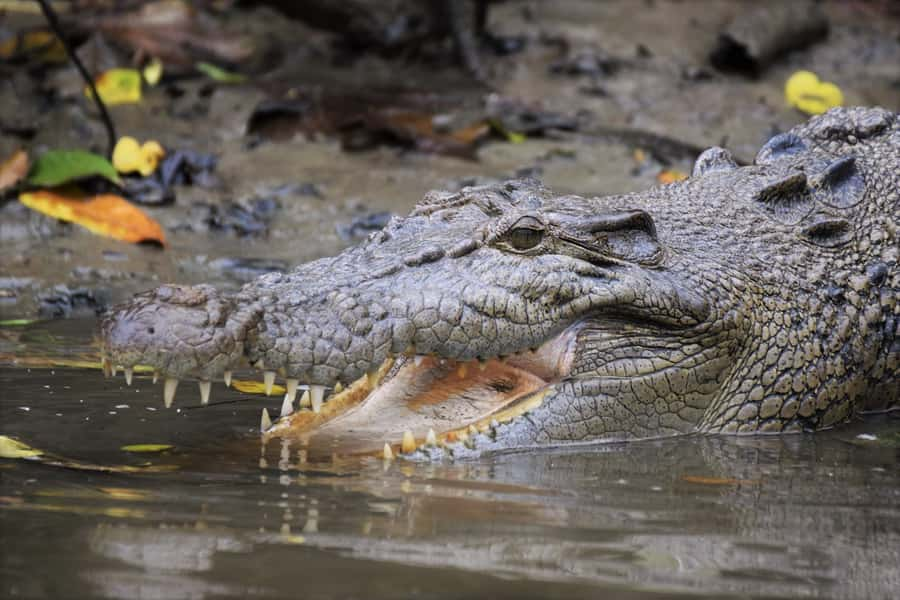
- Crocodiles in the wild: Look for estuarine crocodiles resting on the riverbank or floating with little more than their eyes showing.
- A one-hour river route: The boat travels through the Daintree mangrove estuary rather than taking you on a long rainforest walk.
- Guides make the difference: Ask questions and watch closely, since guides often spot snakes, hatchlings, and camouflaged animals before you do.
- Good value at $24: Morning or afternoon tea, bathrooms, picnic areas, and displays are included at the cruise centre.
- Weather affects sightings: Reviews from hot and wet days report fewer visible crocodiles, while cooler conditions often produced several animals.
- Plan your own transport: Transfers are not included, and hiring a car is recommended.
Why this one-hour cruise works
The Daintree is often described as the world’s oldest living rainforest, with an ecosystem more than 180 million years old. That figure can feel abstract from a road or lookout. On the river, the age and complexity of the place become easier to understand because the mangroves, mudbanks, fish, birds, and crocodiles all occupy the same narrow waterway.
I like this format because it gives you a concentrated look at the wetland without committing most of a day. The cruise lasts one hour, making it easy to fit between a drive through the Daintree, a walk, or another Cairns-area activity.
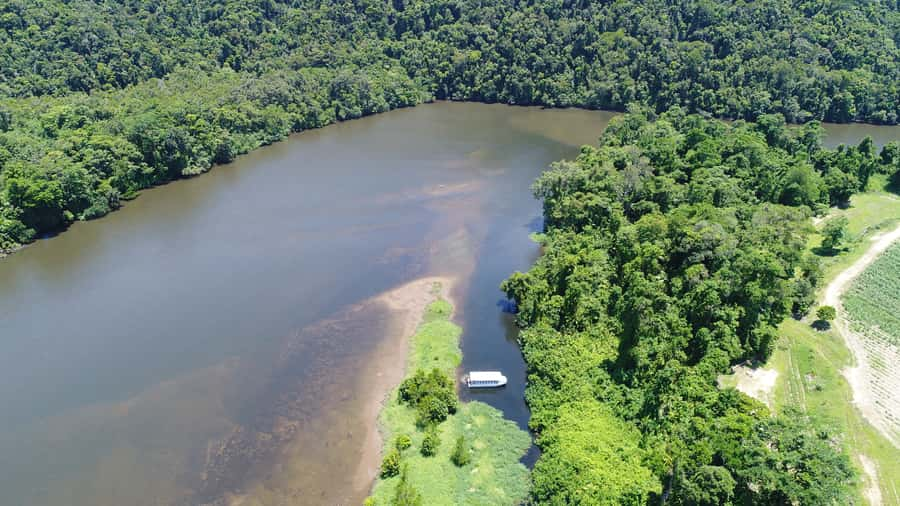
You will not be touring every corner of the rainforest. The boat follows the Daintree River and its mangrove estuary, so the focus is the water’s edge and the animals that use it. That is a strength if you want wildlife and natural history rather than a long hike.
The trip is guided in English. A good guide keeps the hour moving while explaining what you are seeing. The most useful part is often not the first crocodile. It is learning why a certain bank suits crocodiles, how mangroves support fish, or how an animal can vanish against the mud and roots.
More Wildlife Trips in Australia:
- Solar Whisper Daintree River Crocodile and Wildlife Cruise
★ 5.0 · 1,663 reviews - 1-Hour Daintree River wildlife cruise
★ 5.0 · 947 reviews - Daintree: River Rainforest Crocodile & Wildlife Cruise (DV)
★ 4.6 · 346 reviews
Leaving the Daintree River Cruise Centre
Arrive at the Daintree River Cruise Centre 15 minutes before departure. You need to exchange your voucher at the ticket counter, so do not treat the start time as the moment to pull into the car park.
The centre has bathrooms, picnic areas, and displays, along with morning or afternoon tea. That makes the meeting point more useful than a simple dock. If you arrive early, you can get organised, use the facilities, and look at the displays before boarding.
The activity does not include transfers. You should plan to drive to the centre or arrange your own transport from your accommodation. This matters if you are staying in Cairns, since the cruise is not presented as a hotel pickup experience.
One practical detail is worth checking before you pay: the information describes the activity as wheelchair accessible, but another section says it is not suitable for wheelchair users. Because those statements conflict, contact the provider directly if access is important to your plans.
What you see from the boat
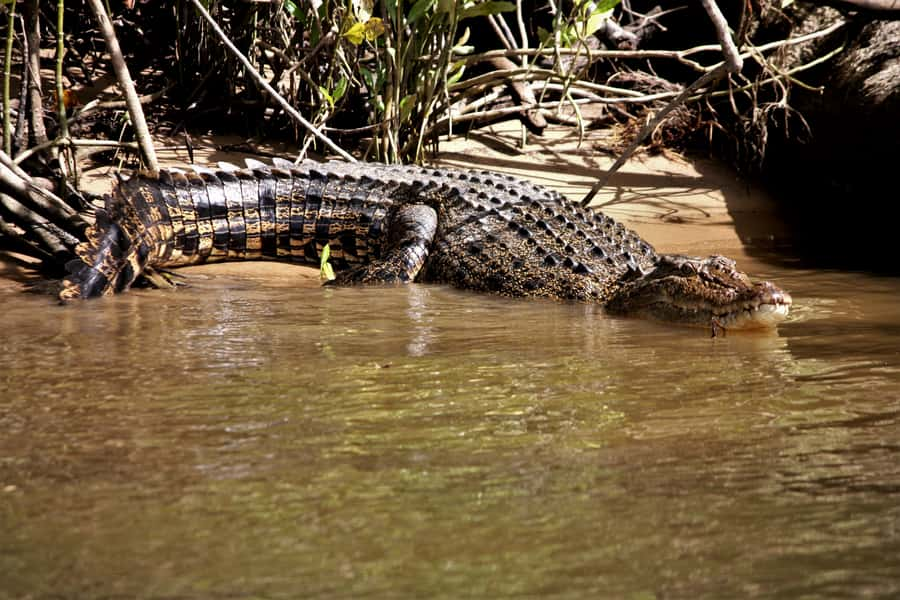
The boat follows the river through a densely populated mangrove estuary. Mangroves are not just scenery here. Their roots create shelter for fish and other small creatures, while the muddy banks provide resting places for crocodiles and habitat for birds, snakes, and insects.
Your guide will scan the banks and water for movement. Crocodiles can look like driftwood, dark logs, or low mounds of mud. At other times, you may see one stretched out in the sun, partly submerged, or floating with only its eyes above the surface.
The most memorable sightings can be the least dramatic. One account described a crocodile quietly swimming while the guide allowed time to watch it. Another described a large animal hiding in the water and apparently following a smaller crocodile. The point is not a staged feeding show. You are watching wild animals behave in their own territory.
The main prize is the estuarine, or saltwater, crocodile. It is the largest living reptile and an apex predator. From the boat, it may appear slow and sleepy. Your guide will explain that this calm appearance can change quickly if prey comes close.
The cruise is not only about large animals. You might see hatchlings, smaller crocodiles, fish, birds, snakes, butterflies, and other tropical life. Guides have also spotted pythons and snakes that passengers would likely miss without help. Keep your eyes moving and listen for a quiet change in the guide’s voice. That often means a small animal has been found.
The guides are the heart of the trip
The boat ride itself is gentle. One family described it as smooth rather than wiggly, which is useful if you are bringing young children or feel uneasy on rough water. The guide controls the pace and positioning, bringing the boat close enough for a good view while keeping a sensible distance from the animals.
The strongest part of the experience is the live commentary. Guides such as Charly, Adam, Chris, and Bruce or Brouce have been singled out for warmth, humour, animal spotting, and clear explanations. You may not have one of those particular guides, but the standard to hope for is someone who explains the whole river instead of hunting only for the biggest crocodile.
Ask questions. The activity is designed for it, and a curious passenger usually gets more from the hour than someone who simply points a camera at the bank. Ask about the crocodile’s size, age, habits, the mangroves, or the effects of recent weather. One guide used the river’s recovery after Cyclone Jasper as part of the explanation, showing how local conditions shape what you see.
The guides also try to give everyone a view. That sounds obvious, but it matters on a small boat when a crocodile appears on one side. The best guides turn the boat carefully, allow time for passengers to look, and avoid rushing away after a quick sighting.
A few more boat days around Australia worth a look
- All Inclusive Blue Mountain,Scenic World,Lunch,Koalas,ferry
★ 5.0 · 7,832 reviews - Great Barrier Reef Snorkeling and Diving Cruise from Cairns
★ 4.5 · 3,714 reviews - From Cairns: Great Barrier Reef Cruise by Premium Catamaran
★ 4.9 · 3,567 reviews - Whitehaven Beach and Hill Inlet Lookout Snorkeling Cruise
★ 5.0 · 2,953 reviews
How many crocodiles might you see?
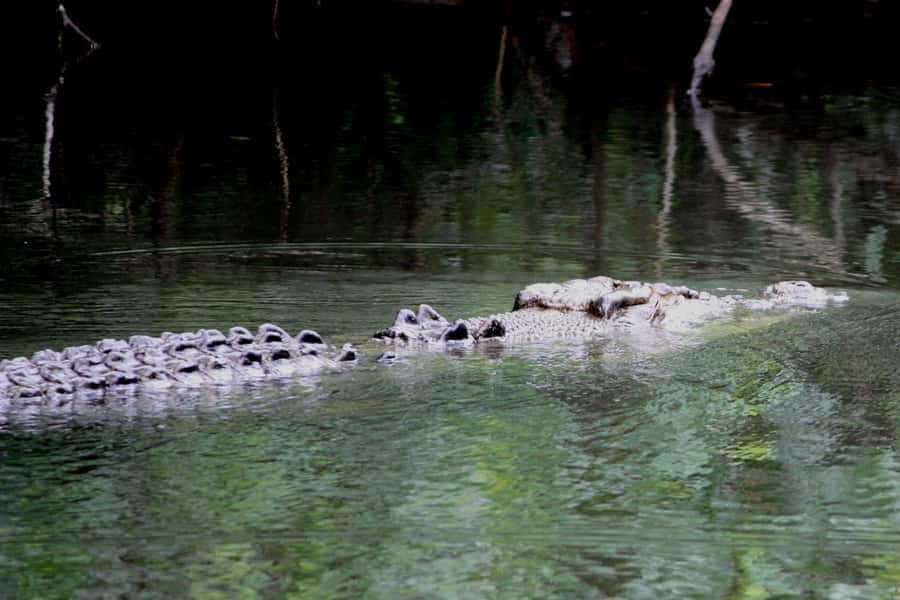
Sightings vary widely. On strong days, people have seen four or five crocodiles, including a very large animal estimated at about 14 feet, several adults, and hatchlings. Other trips have produced two or three large crocodiles, a baby, and perhaps a snake.
You should not book this expecting a fixed count. One particularly hot day produced one large crocodile and one baby, even though the guide was good. Warm conditions can make animals harder to spot, and wet-season conditions may also affect visibility and crocodile activity.
Cooler months, particularly July and August, may offer better conditions for spotting crocodiles, based on practical observations from the experience. That is not a guarantee, but it is useful when choosing between travel dates.
Rain does not automatically ruin the cruise. A rainy trip still produced a pleasant outing when the guide worked hard to find animals, and the river can look atmospheric under cloud. Heavy rain may make spotting more difficult, so bring sensible weather protection and accept that the hour may be more about the river ecosystem than a long list of crocodiles.
The guides name some of the crocodiles, which can make repeat sightings more interesting. Animals called Scooter, Scarface, and Lumpy have been identified during cruises. If you are lucky enough to see one of these familiar river residents, ask the guide about its size, age, and habits.
Why the mangroves matter
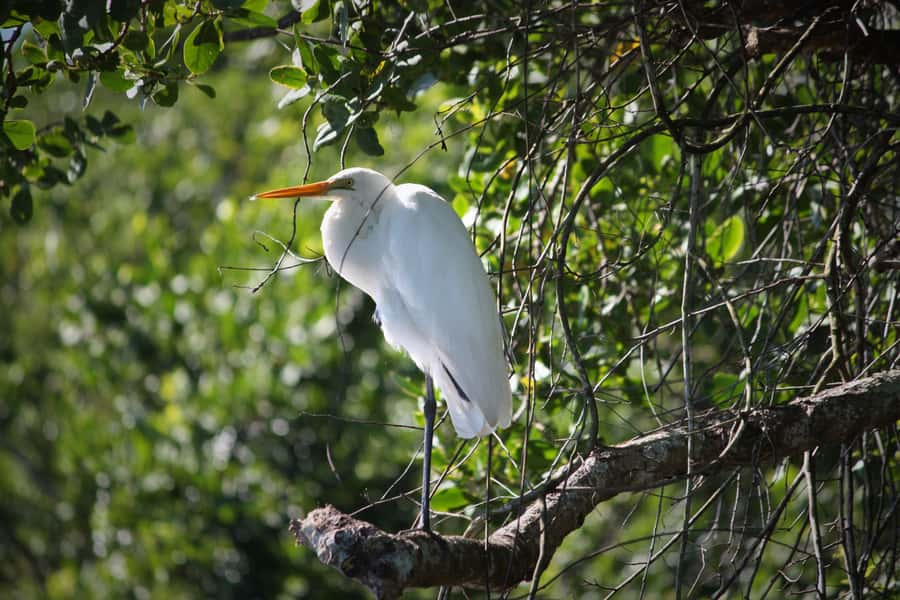
It is easy to treat mangroves as a frame around the crocodile search. That would miss half the value of the trip. These trees live where fresh and salt water meet, and their tangled roots help create shelter for young fish and other animals.
The river is a linked system. Fish use the roots, birds hunt along the banks, snakes move through vegetation, and crocodiles wait near the water. Even butterflies and smaller insects fit into the same chain of life.
This is where a good guide earns the ticket price. You may not remember every plant name, but you should leave with a clearer idea of why the estuary matters. The rainforest is not simply a wall of green behind the river. It is a working habitat, and the cruise shows you how the parts connect.
The Daintree’s UNESCO World Heritage status also makes more sense when you view it this way. The value is not only the age of the trees. It is the survival of a complex tropical ecosystem with waterways, mangroves, rainforest plants, and wildlife functioning together.
Is $24 good value?
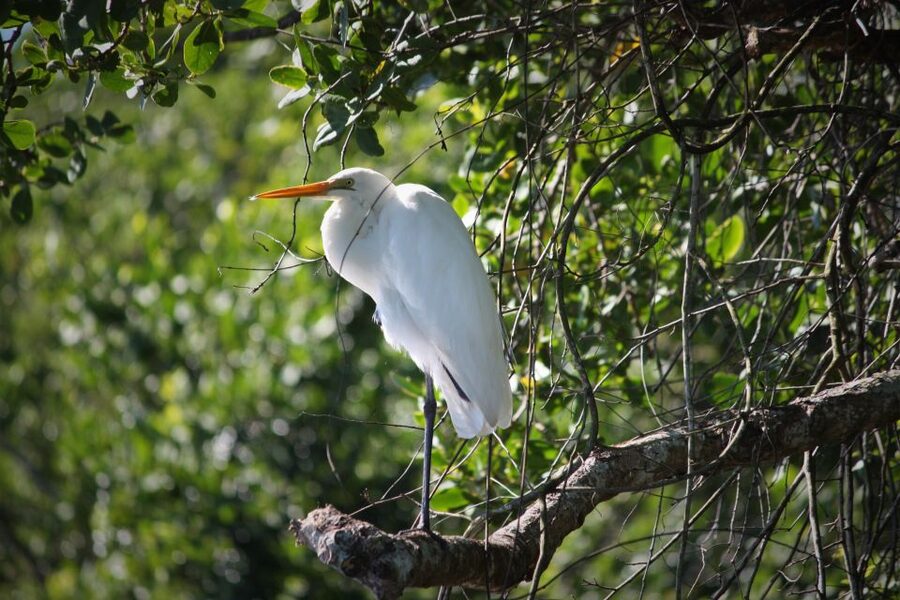
Yes, provided you want a short wildlife outing rather than a full-day expedition. The $24 price includes the guided cruise, morning or afternoon tea, and access to the centre’s bathrooms, picnic areas, and displays.
The cost is especially fair for families. One family with teenagers and children under ten found the experience suitable for all ages, and the calm boat ride should make it manageable for young children. You still need to supervise children closely around the water and listen carefully to the guide’s safety instructions.
The price is less compelling if you are driving a long way solely for one hour and have no interest in the wider Daintree area. Fuel and travel time are separate costs, and one hour passes quickly. It works best as part of a day in the region, not as an isolated trip from far away unless crocodiles are a top priority.
Tea and a biscuit are a small inclusion, but a useful one. The centre’s facilities also mean you do not need to rush away immediately after the cruise. Think of the included extras as conveniences rather than a meal.
Who should book this cruise?
I would recommend it to anyone who wants a clear, low-cost introduction to Daintree wildlife. It suits families, first-time visitors, photographers who want a chance to see crocodiles in the wild, and people who prefer a short activity over a demanding walk.
It is also a good choice for visitors who want context. The guide explains the animals and the river, so you gain more than a quick crocodile photograph.
You may want a different activity if you require guaranteed close views, a longer rainforest walk, or a full-day guided outing. Wild crocodiles do not perform on schedule, and the boat may find fewer animals in hot or wet conditions.
The cruise is also not a substitute for exploring the forest on foot. It shows you the river corridor and mangrove habitat. Pair it with another Daintree experience if you want a fuller picture of the rainforest.
Practical details for a smoother visit
Book a morning or afternoon departure after checking the available start times. The hour is short, so arriving late costs you a meaningful part of the experience.
Plan to reach the centre 15 minutes early and exchange your voucher at the counter. If you run late, speak to the desk staff as soon as possible. One passenger who missed a session was moved to the next departure, but you should not count on that during a busy period.
The activity has free cancellation up to 24 hours before departure, and you can reserve now and pay later. Those options are useful when your Daintree day depends on weather or driving conditions.
English is the tour language. The cruise centre provides bathrooms and picnic areas, so you can use it as a practical break during your day in the region.
The access information is inconsistent, as noted above. If you use a wheelchair, confirm the boat, boarding point, and facilities with the Daintree River Cruise Centre before booking.
Final verdict: book it for the river, not a guaranteed crocodile count
Book this Daintree River cruise if you want an affordable hour on the water with a real chance of seeing saltwater crocodiles, hatchlings, snakes, birds, and fish. The guides are the strongest part, and the best ones turn a simple boat ride into a useful lesson about mangroves and rainforest ecology.
Go in with sensible expectations. You may see five crocodiles, including a huge male, or only one large animal and a baby. At $24, that uncertainty is reasonable, especially when the cruise is smooth, the commentary is strong, and tea, facilities, and displays are included.
For families and first-time visitors to the Daintree, I would book it. For serious wildlife photographers, I would choose the coolest and clearest available conditions and allow time for another activity in case sightings are limited.
FAQ
How long is the Daintree Rainforest Wildlife Experience Cruise?
The cruise lasts one hour.
How much does the cruise cost?
The listed price is $24 per person.
Where does the cruise depart?
It departs from the Daintree River Cruise Centre in Queensland.
How early should I arrive?
Arrive 15 minutes before the activity begins, then exchange your voucher at the ticket counter.
Are transfers included?
No. Transfers are not included, and hiring a car close to your accommodation is recommended.
What animals might I see?
You may see estuarine crocodiles, hatchlings, birds, snakes, butterflies, fish, and other tropical wildlife.
Is food or drink included?
Morning or afternoon tea is included.
What language is the tour conducted in?
The live tour guide and activity language are English.
Can I cancel the booking?
Yes. You can cancel up to 24 hours in advance for a full refund. You can also reserve now and pay later.
Just added around Australia
- From Hervey Bay: Remote K’gari Tour by Boat with Lunch★ 4.9 · 1,229 reviews
- Port Douglas: Quicksilver Outer Barrier Reef Full-Day Cruise★ 4.8 · 506 reviews
- Port Douglas: Outer Great Barrier Reef Snorkeling Cruise★ 4.9 · 711 reviews
- Port Douglas: Sunset Sailing Cruise on Luxury Catamaran★ 4.6 · 342 reviews
- Port Douglas: Low Isles Glass Bottom Boat & Snorkeling Tour★ 4.7 · 469 reviews
- Port Stephens: Dolphin Discovery Cruise★ 4.4 · 926 reviews
- Port Douglas: River Cruise, Crocodile Spotting, Drink/ Snack★ 4.6 · 353 reviews
- Port Arthur Tasman Sights with Harbour Cruise★ 4.8 · 358 reviews
Wildlife, compared.
Solar Whisper Daintree River Crocodile and Wildlife Cruise
Read our review →
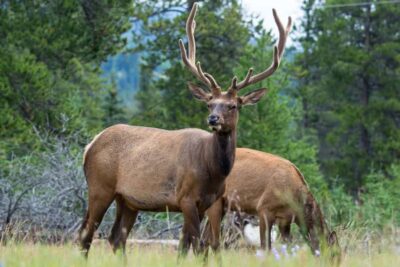
Wildlife and Waterfalls Tour with Maligne Cruise
Read our review →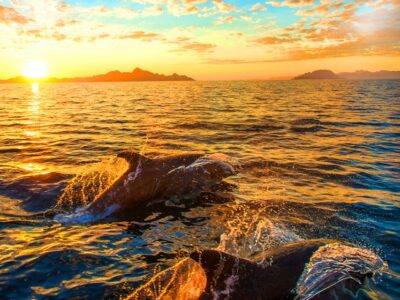
Brijuni Islands Dolphin Watching & Wildlife Cruise
Read our review →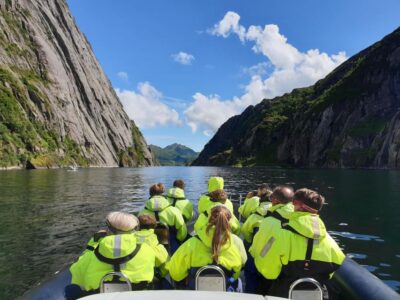
Browse the lists this tour appears in