
REVIEW · CAPE TOWN
Cape Town: Hop-On Hop-Off Bus Tour with Optional Cruise
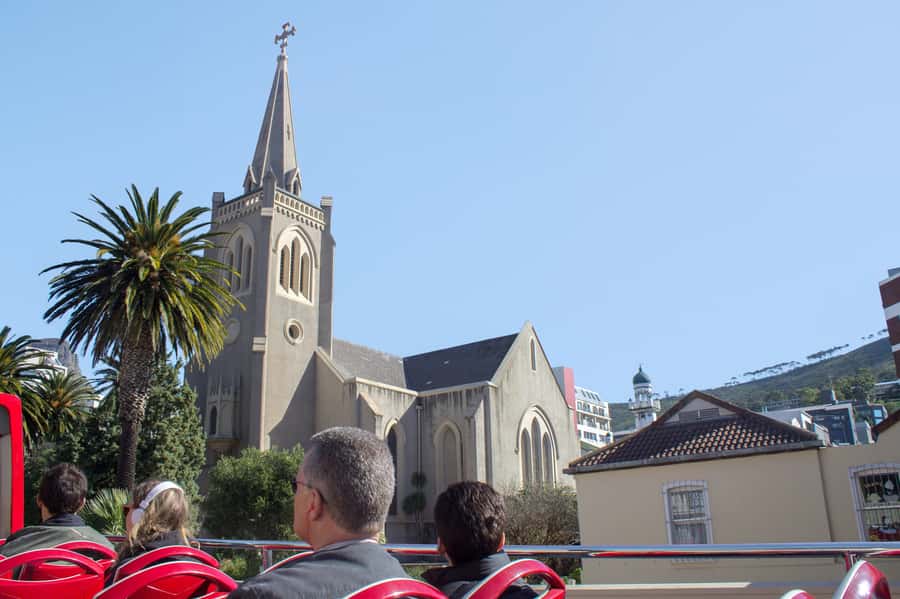
Cape Town’s open-top double-decker bus gives you a fast, scenic introduction to a city spread between mountain, sea, beaches, vineyards, and historic neighborhoods. One ticket covers more ground than you could comfortably manage on foot, and you can hop off at the sights that deserve extra time.
I like the frequent departures, which reduce the stress of planning every connection, and the audio commentary, which keeps pace with the buildings and views outside. The main consideration is time: the full red and blue routes are long, so a one-day ticket can feel rushed if you also want to visit several attractions.
The optional harbour or canal cruise adds a pleasant change of pace, while the purple route reaches the Constantia wine area. Bring a layer for the upper deck, sunscreen for hot seats, and something to secure your hat on windy stretches near Table Mountain.
Key points at a glance
- Three routes cover very different Cape Towns: The red route introduces the city, the blue route circles the mountain and coast, and the purple route reaches Constantia.
- Table Mountain is a major stop: The bus drops you near the cable car station, but the cable car ticket is separate and weather can affect your plans.
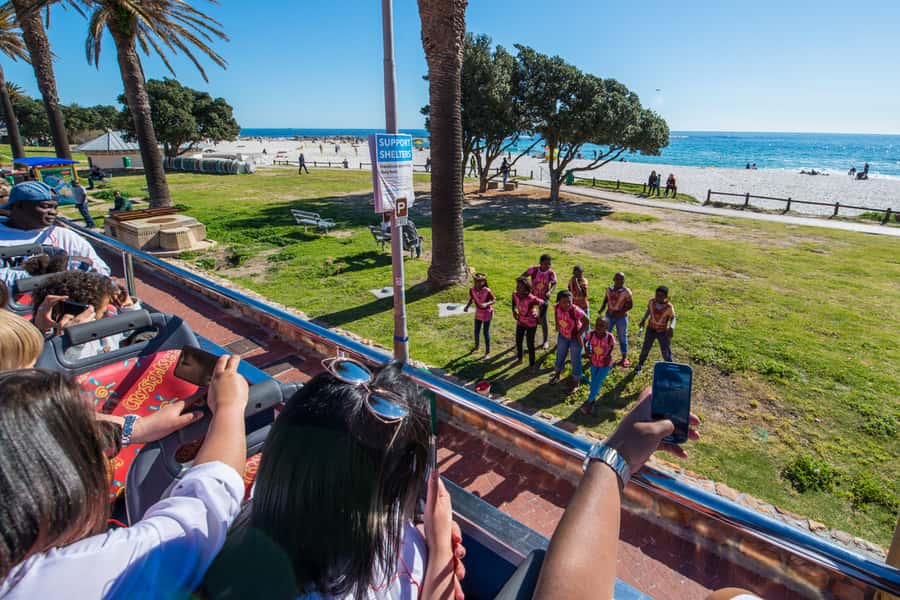
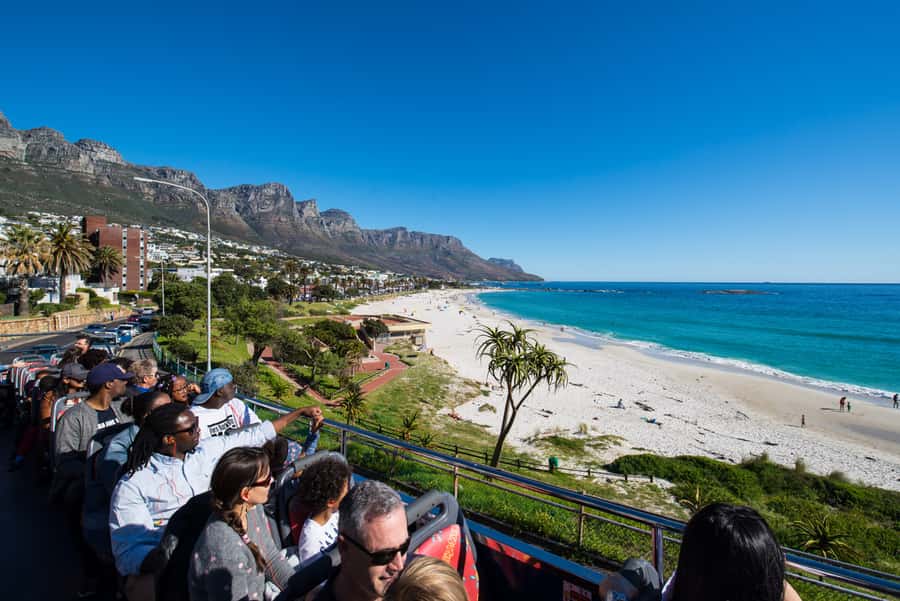
- Camps Bay delivers the big postcard views: This is one of the best places to hop off for lunch, beach time, and the meeting point of mountain and sea.
- Kirstenbosch makes the blue route worthwhile: The botanical garden is a proper stop, not just a view from the bus, so allow time to walk around.
- The Constantia extension is useful without a car: You can reach Groot Constantia and return by bus, with admission, tastings, and meals paid separately.
- The two-day pass gives you breathing room: It is the better choice if you want the cruise, sunset ride, wine route, and several stops.
Why the bus works so well in Cape Town
Cape Town is not a compact sightseeing city. The V&A Waterfront, City Bowl, Table Mountain, Camps Bay, Kirstenbosch, Hout Bay, and Constantia sit in different parts of the city, with roads that often curve around the mountain rather than run straight through it.
That is where this tour earns its keep. You can see the basic shape of Cape Town from the top deck, then use the bus as transport to places where you want to stop. I find that especially useful on a first full day, when you are still working out which areas deserve more of your time.
The service runs from about 9:00 AM to 5:00 PM, with earlier and later departures in summer. Buses usually come every 15 to 30 minutes, depending on the season. That frequency matters because a missed bus does not have to ruin your afternoon, though you should still check the timetable before committing to a long stop.
You can begin at the City Sightseeing office outside the Two Oceans Aquarium at the V&A Waterfront or at 81 Long Street downtown. Stops also serve Sea Point and Camps Bay. The ticket is valid for one or two days, and the longer option is the clear choice if you plan to explore rather than simply ride around.
A few more boat days around Cape Town worth a look
- Cape Town Hop-On Hop-Off City Tour with Optional Cruise
★ 4.5 · 1,793 reviews - Cape Town: Sunset Champagne Cruise
★ 4.6 · 1,083 reviews - Cape Town: Scenic 1-Hour Coastal Catamaran Cruise
★ 4.6 · 777 reviews
The red route: your first look at central Cape Town
The red route takes about 1.5 hours when you stay aboard. It is the best starting point because it helps you understand the city’s layout before you start making individual stops.
The route passes through central Cape Town and nearby areas, with views toward Table Mountain and access to sights connected with the city’s history and culture. District Six is among the notable stops. This area carries painful memories of forced removals under apartheid, so it is worth slowing down and treating the stop as more than a photo opportunity.
The audio commentary is available in 15 languages, including English, Afrikaans, Arabic, Chinese, Dutch, French, German, Italian, Japanese, Russian, Spanish, Swedish, Turkish, Zulu, and Portuguese. There is also a children’s channel. The commentary is not a live guiding experience, but it lets you follow the story of the streets and landmarks without having to read a guidebook while the bus moves.
I suggest riding the red route once without getting off if you have limited time. Then decide which central stops deserve a second look. The free city-center walking tour can add more detail, and the Urban Safari inner-city adventure is available at a discount with the bus ticket.
The main weakness of the red route is that it can feel like an orientation ride rather than a full sightseeing day. That is not a problem if you use it as your city introduction. It becomes less useful if you expect every stop to be a major attraction with hours of activity.
Table Mountain and the city’s best high views
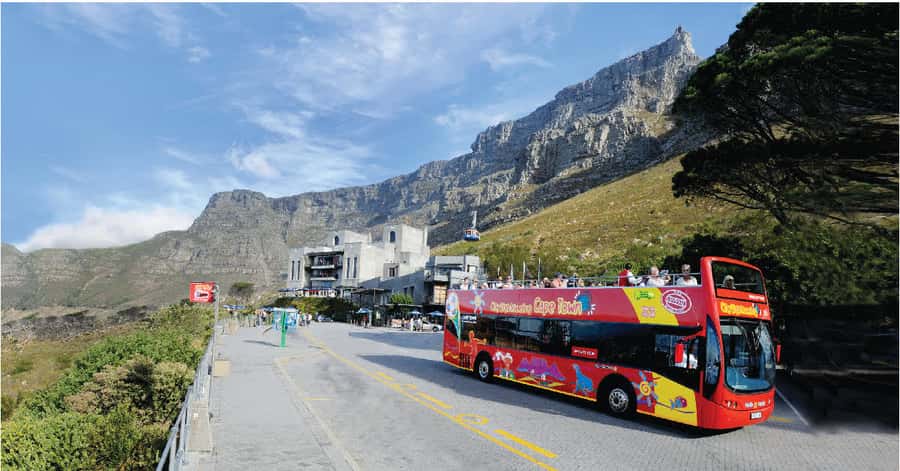
The bus stops near the Table Mountain cable car station, making it one of the easiest ways to reach the mountain without arranging separate transport. The bus ticket does not include cable car admission, so budget for that separately if you plan to go up.
The stop is valuable even when you do not ride the cable car. From the upper deck, you get changing views of the mountain, the city, and the slopes leading toward the coast. If you do take the cable car, check operating conditions before building your day around it. The tour can get you there, but it cannot control mountain weather or cable car schedules.
The exposed upper deck is part of the fun, but it also needs a little common sense. Wind coming down from Table Mountain can be strong enough to remove a hat, and the moving bus makes it easy to underestimate the chill. On a warm day, the seats can become hot in direct sun. Wear sunglasses, carry water, and bring a light jacket even if the temperature at street level looks mild.
The blue route: mountain roads, Kirstenbosch, and Camps Bay
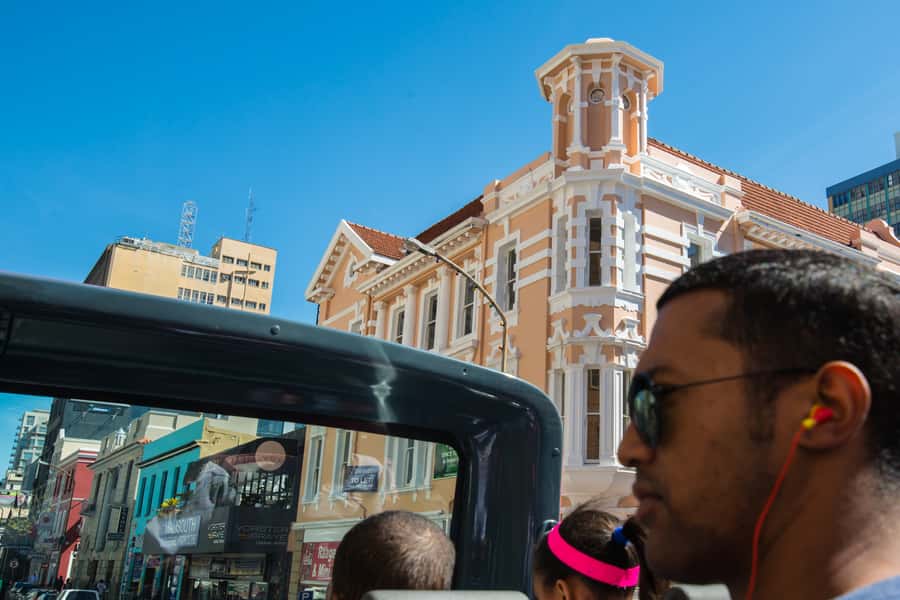
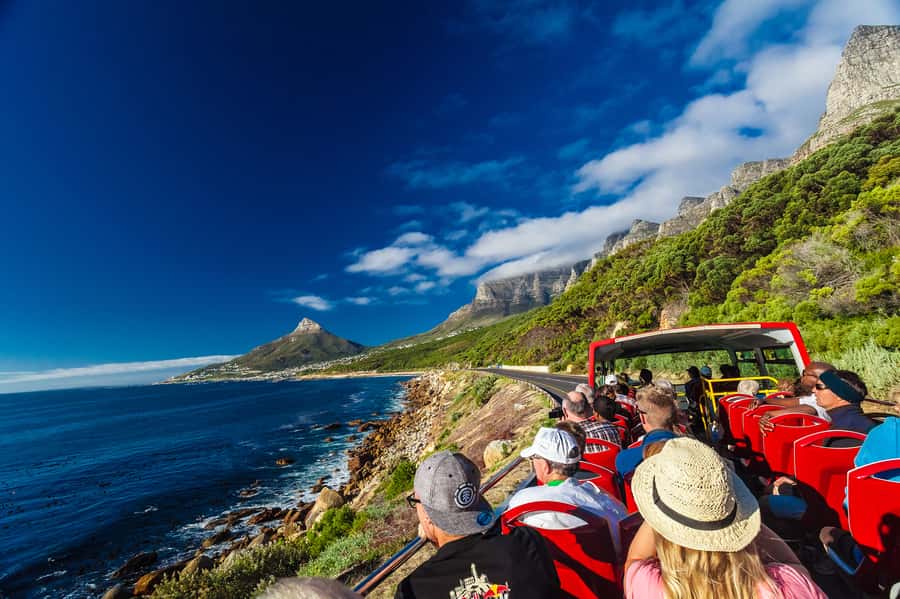
The blue route takes about two hours without stops and is the most scenic part of the bus network. It runs around the back of Table Mountain and toward the southern suburbs, with access to Kirstenbosch Botanical Gardens, Camps Bay, Hout Bay, and the coast.
This is the route I would prioritize after the red city circuit. The road gives you a wider sense of Cape Town, with mountain slopes on one side and the Atlantic coast appearing in long, dramatic views. You are not simply transferring between attractions. The ride itself is a major part of the experience.
Kirstenbosch Botanical Gardens is an excellent place to hop off. The bus gets you close to the entrance, and you can spend as much time as your ticket and timetable allow. The garden is one of the strongest reasons to choose a two-day pass, since a quick visit can feel unsatisfying and a full visit can take much of an afternoon.
Camps Bay is another natural break point. You can get off for lunch, walk near the beach, or simply enjoy the view of the coast and the Twelve Apostles. The stop is scenic, but it is also one of the busier parts of the route, so do not assume a short photo stop will turn into a quiet seaside hour.
The route continues toward Hout Bay and its harbor area. You will see more of the coast and the roads around the mountain, though the bus tour is not a substitute for a dedicated Cape Point excursion. If your main goal is the Cape of Good Hope, you will need a separate tour or transport plan.
Same harbour, a different day on the water:
- Cape Town: Sunset Cruise from V&A Waterfront with Bubbly
★ 4.6 · 777 reviews - Cape Town: 1.5-Hour Luxury Sunset Cruise with Prosecco
★ 4.7 · 668 reviews - Gansbaai: Marine Big 5 Boat tour
★ 4.7 · 593 reviews - Cape Town: Sunset Catamaran Cruise on Table Bay with Bubbles
★ 4.6 · 591 reviews
The purple route and Constantia wine country
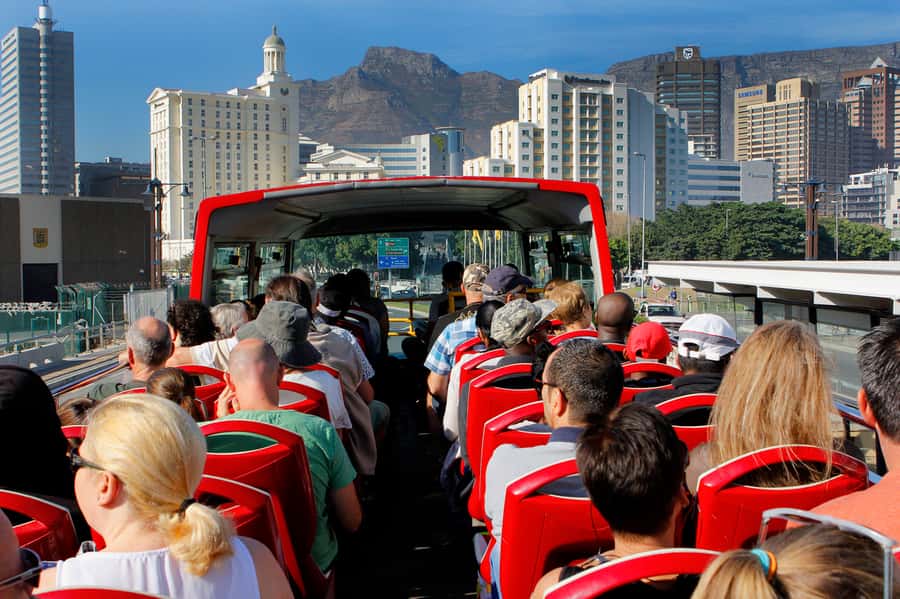
The purple route lasts about 30 minutes and serves the Constantia wine area. It is shorter than the red and blue circuits, but it adds something neither of those routes can provide: a practical way to reach a historic wine estate without hiring a taxi or driving.
Groot Constantia is the key stop. The bus drops you near the entrance and collects you there, which makes a winery visit much easier to arrange. Admission, tastings, lunch, and other purchases are not included, so check the cost of your chosen activity before you go.
You should not expect a full wine-country tour from the purple route. It is an access service with some sightseeing value, not a day of visiting many vineyards. That limited scope explains the occasional disappointment from people hoping for more estates. Still, for one well-known stop and a relaxed meal or tasting, it is a useful addition.
The purple route fits best on a two-day plan. On day one, ride the red and blue routes. On day two, use the purple route for Constantia, then return to the Waterfront or city center for the cruise or another short stop.
The harbour and canal cruise
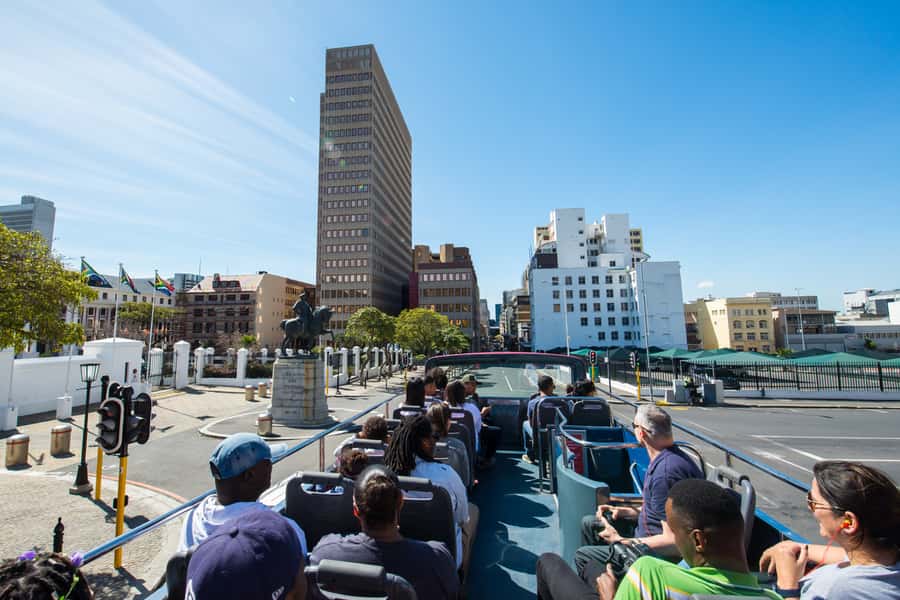
The cruise option adds around 30 minutes on the water. Depending on the package and current operation, you may cruise through the V&A Waterfront harbor or along the canal. The boat gives you a different angle on the surrounding buildings and working waterfront, and it is a pleasant way to rest after sitting or walking through the city.
Do check what your selected ticket includes. The cruise is an optional addition, and some booking choices require an extra payment. The tour information also lists a sunset bus tour as an option. If included in your package, that ride offers a simple way to reach Signal Hill for evening views without arranging another outing.
The cruise is not a replacement for a full harbor excursion. It is short, easy to fit into your day, and best understood as an extra viewpoint. I would add it if you have a two-day pass or if you are already spending time at the V&A Waterfront.
Audio, Wi-Fi, and the practical ride experience
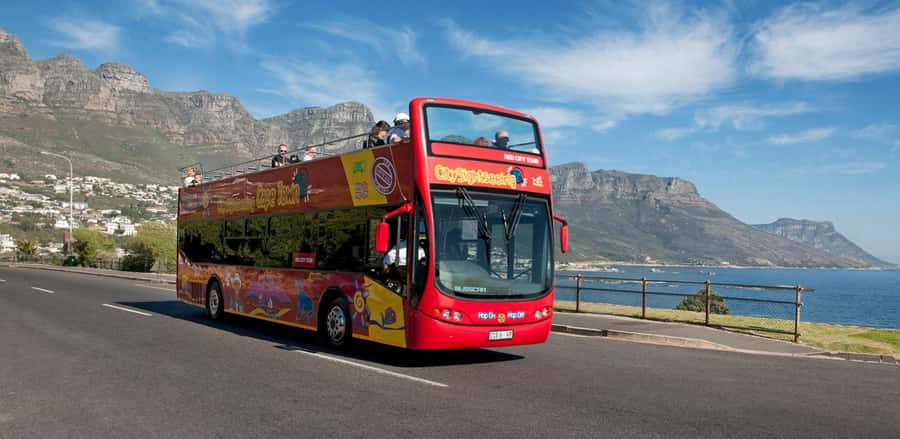
The audio commentary is one of the tour’s strongest features. It follows the sights outside the bus and explains the city’s landmarks, history, and neighborhoods in your chosen language. Free earphones are supplied, and the kids channel helps make the ride more useful for families.
Free onboard Wi-Fi is also included, though it may not be available on every bus. Treat it as a convenience rather than a guarantee. You should download maps, tickets, and essential information before leaving your accommodation.
The buses are wheelchair accessible and stroller accessible. Onboard staff are available to help with safety and general questions. The service is designed to be secure and straightforward, which is useful when you are moving between parts of Cape Town you do not yet know well.
There is no live guide narrating every street on the main bus routes. If you want personal conversation and spontaneous local stories, use the free walking tour or the discounted Urban Safari option. For most sightseeing, the recorded commentary is clear and less demanding than following a guide while trying to take photographs.
Getting good value from the $23 starting price
At about $23 per person, the one-day pass is good value if you ride several sections of the network or use it to reach two or three major stops. It is less compelling if you stay on one bus for a single circuit and spend the rest of the day elsewhere.
The two-day pass offers better value for most visitors with enough time. You can separate the long blue route from the red city circuit, visit Kirstenbosch without watching the clock, add Constantia, and fit in the cruise. Several paid attractions remain separate, but the bus removes repeated transport costs and reduces the need for taxis.
I especially like the value for people who do not want to drive after a wine tasting. The bus gets you to Groot Constantia and back, though you still pay separately for the estate activities. It also works well for families, couples, solo visitors, and anyone who wants a flexible day rather than a fixed group itinerary.
The ticket includes a route map, information booklet, earphones, Wi-Fi, the walking tour, and discounts at selected attractions. Those extras do not replace careful planning, but they make the pass more than a simple sightseeing loop.
A practical one-day plan

Start early at the Waterfront or downtown and ride the red route all the way around. This gives you the city layout and lets you note the stops you want to revisit.
Next, switch to the blue route and stay aboard for the mountain and coastal views. Hop off at Camps Bay for lunch, or choose Kirstenbosch if gardens are a priority. If you do both, watch the time carefully. The two routes alone can fill most of the operating day.
End at the Waterfront and add the harbour cruise if your ticket includes it or you are happy to pay the extra fee. A one-day plan should focus on seeing the city rather than trying to complete every stop.
A better two-day plan
Use the first day for the red and blue routes. Allow a proper stop at Table Mountain, Camps Bay, or Kirstenbosch, but do not try to fit all three into a rushed schedule.
Use the second day for the purple route and Groot Constantia. Return to the Waterfront for the cruise, then consider the sunset bus tour if it is included in your option. This plan gives you time to get off, walk around, eat, and reboard without turning the day into a race.
Should you book this Cape Town bus tour?
Book it if you want a safe, simple way to connect Cape Town’s scattered highlights, especially on a first visit or a short stay. It is also a strong choice if you do not want to rent a car, prefer multilingual commentary, or want to reach Table Mountain, Kirstenbosch, Camps Bay, and Constantia with one transport pass.
Choose the two-day option if you want the best value and plan to use the cruise, sunset ride, or wine route. Choose one day if your goal is a broad city overview with limited stops.
Skip it only if you already have private transport and a detailed sightseeing plan, or if you prefer intimate guided walks over a recorded bus commentary. For most visitors, the combination of long scenic routes, reliable departures, and the freedom to stop makes this one of the easiest ways to get your bearings in Cape Town.
FAQ
How long are the main bus routes?
The red route takes about 1.5 hours, the blue route takes about 2 hours, and the purple Constantia route takes about 30 minutes when you remain on the bus.
How often do the buses run?
Buses depart every 15 to 30 minutes, depending on the season. Operating hours are generally about 9:00 AM to 5:00 PM, with earlier and later service in summer.
Does the ticket include Table Mountain cable car admission?
No. The bus stops near the Table Mountain cable car station, but the cable car entrance fee is separate.
Is the harbour cruise included?
The harbour or canal cruise is included only with the relevant ticket option. Check the package you select, since some options require an additional payment.
Where can I start the tour?
You can begin at the City Sightseeing ticket office outside the Two Oceans Aquarium at the V&A Waterfront or at 81 Long Street downtown. Stops also serve the city, Sea Point, and Camps Bay.
Is the bus wheelchair accessible?
Yes. The buses are wheelchair accessible and stroller accessible.
Just added around Cape Town
- From Cape Town: Hermanus Whale Watching Boat Trip★ 4.4 · 378 reviews
- Cape Town: Gansbaai Eco-Friendly Shark Cage Diving Cruise★ 4.6 · 326 reviews
- Cape Town: Sunset Catamaran Cruise on Table Bay with Bubbles★ 4.6 · 591 reviews
- Cape Town: Scenic 1-Hour Coastal Catamaran Cruise★ 4.6 · 777 reviews
- Cape Town: 1-Hour Pre-Sunset Champagne Cruise★ 4.5 · 435 reviews
- Cape Town: Sunset Champagne Cruise and 3-Course Dinner★ 4.5 · 528 reviews
- Gansbaai: Marine Big 5 Boat tour★ 4.7 · 593 reviews
- Cape Town: 30 Minute Seal-Watching Harbour Cruise★ 4.2 · 267 reviews
Cape Town Boat Tours, compared.

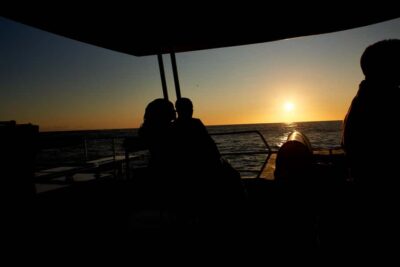
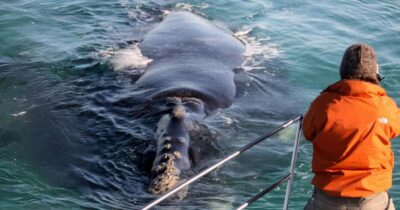

Sunset Catamaran Cruise on Table Bay with Bubbles
Read our review →
Browse the lists this tour appears in