
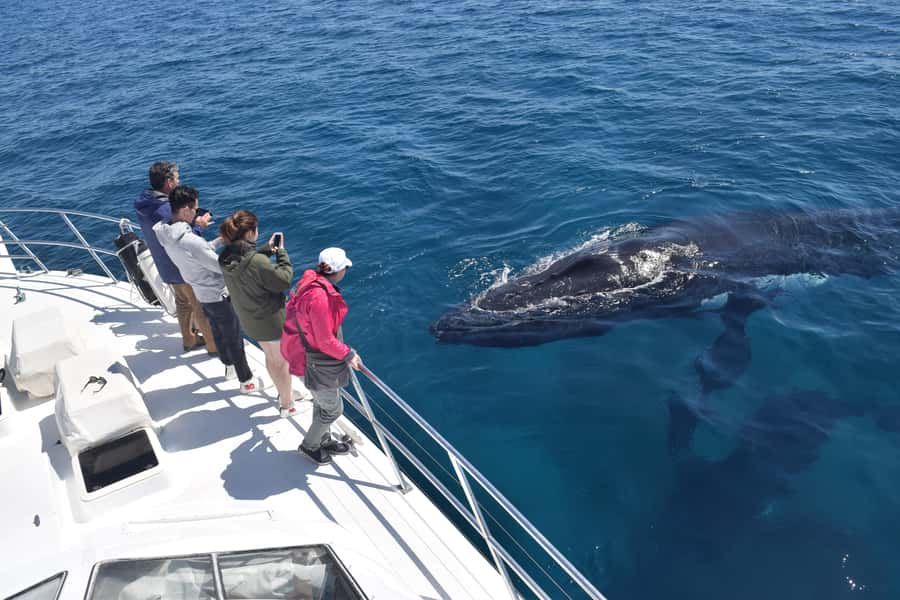
REVIEW · AUSTRALIA
Whale Watching Cruise from Busselton, Augusta or Dunsborough
Humpback whales are the main event here, and the timing is wonderfully clear: Augusta is best from mid-May to mid-August, while Busselton and Dunsborough come into their own from late August as whales head south. You may also see dolphins, seals, seabirds, and the occasional blue, southern right, pygmy blue, or minke whale.
I like the purpose-built boat, with two levels and safe walk-around space, and I like the small passenger numbers that make it easier to find a clear view. The marine biologist and experienced crew add real value, too. The one catch is the sea itself: several passengers found the ride rough, so bring warm clothes and consider motion-sickness tablets.
Key points
- Seasonal departure choices: Leave from Augusta during the northbound migration, or from Busselton and Dunsborough during the southbound run.
- Two-level viewing boat: Move around the vessel, climb to the upper level, or use the cabin when you need shelter.
- Experienced whale-watching skipper: Captain Zip has more than 15 years on the water and keeps the commentary lively.
- Marine life beyond humpbacks: Dolphins, seals, seabirds, southern right whales, blue whales and minke whales are all possible.
- A strong sighting guarantee: If no whales are seen, you receive a complimentary repeat tour.
- Good value at $67: A two to two-and-a-half-hour cruise, marine interpretation and a spacious boat make this a competitive price.
Choosing Augusta, Busselton or Dunsborough
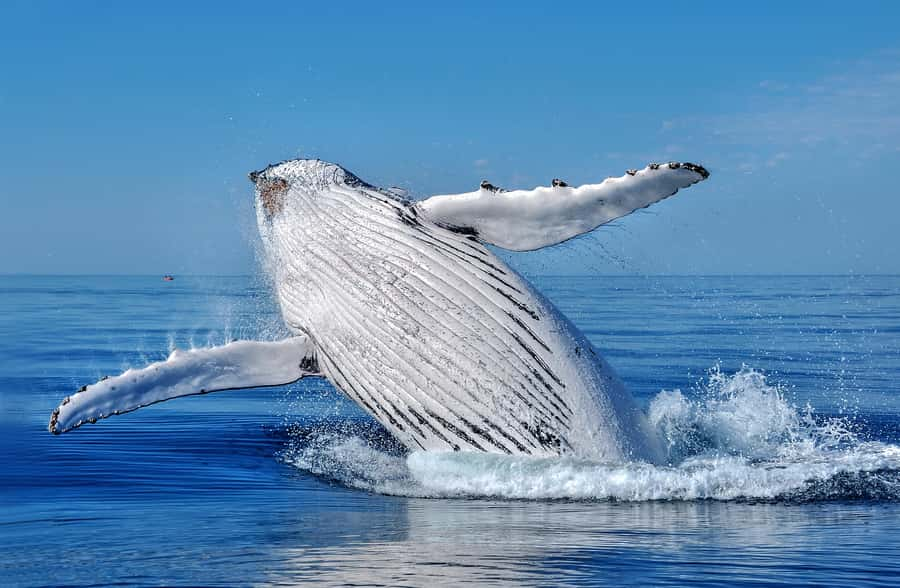
This cruise is sold from three ports, but the right departure depends mainly on the month and your route through Western Australia.
From mid-May to mid-August, Augusta is the key choice. Humpback whales travel north along the coast, and the Augusta departure gives you a chance to watch them resting in the bay before they continue toward warmer Arctic waters. Several trips from Augusta have found whales very soon after leaving the harbour, sometimes within a minute. That is a useful reminder that you do not always need a long run offshore for the action to begin.
From late August onward, Busselton and Dunsborough are the practical picks. At this stage, humpbacks are heading south toward Antarctica, often with calves or other whales nearby. The bay can produce extended viewing, with whales surfacing beside, behind and ahead of the boat.
The meeting point changes with the option you book, so check it carefully before setting out. Hotel pickup and drop-off are not included. Parking is available near at least some departure points, with ample parking reported around the Augusta harbour.
More Whale Watching Trips in Australia
- Sydney: Whale Watching Adventure Cruise
★ 4.2 · 1,790 reviews - Brisbane Whale Watching Cruise from Redcliffe or Sunshine Coast
★ 5.0 · 997 reviews - Freedom 3/4 Day Hervey Bay Premium Whale Watching Cruise
★ 5.0 · 919 reviews
What the two-hour cruise is really like
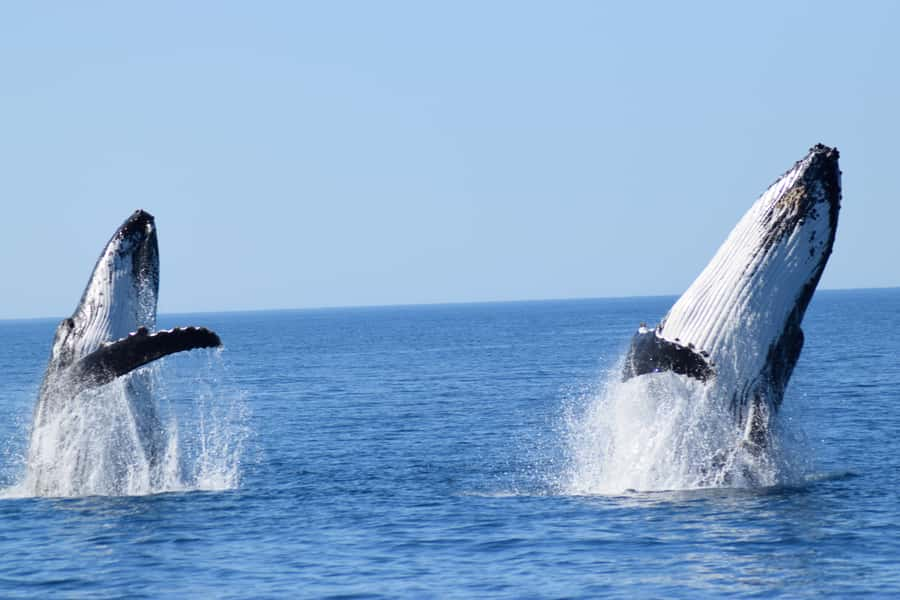
Allow between two and 150 minutes on the water. The exact length can vary with the whale activity and the conditions. If the boat finds active whales, you may spend much of the trip watching them rather than simply travelling from one spot to another.
The boat leaves the harbour and heads into the bay, with the skipper and crew scanning for blows, backs, fins and the telltale marks whales leave on the surface. You will want to keep your eyes moving. A whale can surface close to the boat, while dolphins may appear in a completely different direction.
The layout helps. This is a two-level vessel with a full safe walk-around area, so you are not confined to one row of seats. You can shift sides as the boat changes position, move toward the front, or climb higher for a broader view. That matters when several people are trying to photograph the same whale.
There is also a cabin. It is useful for young children who need a break from the wind, and it gives you somewhere to sit if the water becomes uncomfortable. Tea and coffee are available onboard, though you should still dress for a cool, wet outing.
The boat gives you room to see
A whale-watching boat can make or break the day. A cramped deck means blocked views, awkward photography and a lot of shuffling whenever a whale appears. This vessel is purpose-built for whale watching, with space to move around and two viewing levels.
The smaller passenger numbers are another plus. You are not promised a private charter, but the available information points to a less crowded setup than some competing boats. That gives you a better chance of reaching the rail and finding an unobstructed sightline.
The boat is also described as safe and stable, though stable does not mean motionless. The open ocean can still produce a rough ride. One especially useful warning from past departures is to take travel-sickness tablets if you are in doubt. Anti-nausea wristbands are available for $10, compared with a stated recommended retail price of $20, but they are an optional extra.
For the best experience, wear layers, bring a waterproof outer layer if you have one, and keep your camera secure. Warm clothing is specifically recommended. Even on a pleasant day at the harbour, the wind on the water can feel much colder.
Whale watching with a purpose
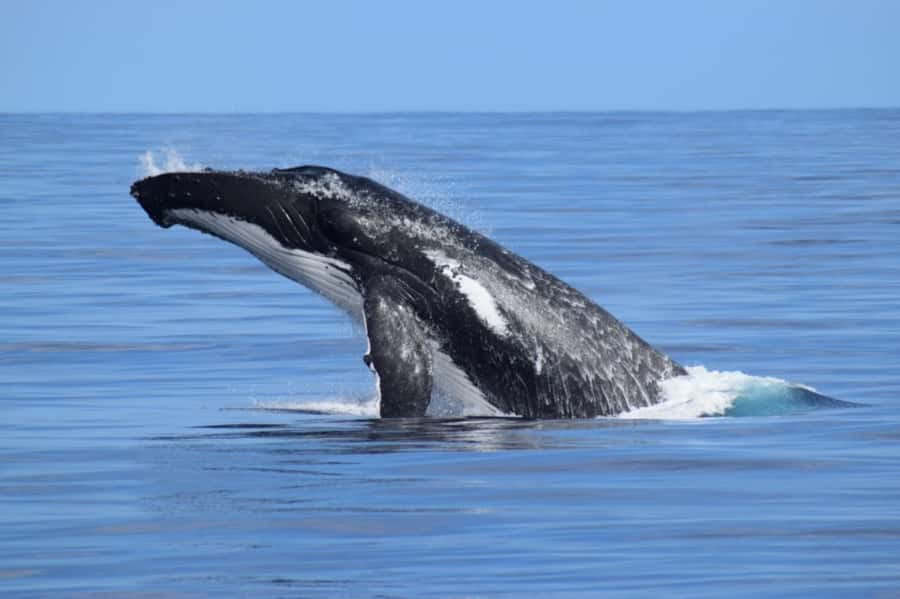
The strongest part of this outing is the interpretation. Captain Zip has more than 15 years of whale-watching experience and is known for keeping the trip entertaining while explaining what you are seeing. Other named crew members associated with departures include Paul, Jess, Bugsy and Tesh, and the exact crew can vary.
A marine biologist is onboard the tours, and marine researchers are often present as well. That changes the feel of the trip. You are not just waiting for a whale to surface. You can learn about migration, behaviour and the signs that help the crew locate animals.
One useful example is mugging, the term used when whales stay close to or around the boat. Tail flicks, rolling, breaching and repeated surfaces can make these close encounters especially memorable. The crew also points out subtle clues such as footprints on the surface, helping you know where to look before the whale appears.
This is a good choice if you want more than a quick photograph. The explanations give meaning to the behaviour, especially when you are watching a mother and calf, a group of humpbacks, or a whale travelling with an escort.
Same harbour, a different day on the water:
- All Inclusive Blue Mountain,Scenic World,Lunch,Koalas,ferry
★ 5.0 · 7,832 reviews - Great Barrier Reef Snorkeling and Diving Cruise from Cairns
★ 4.5 · 3,714 reviews - From Cairns: Great Barrier Reef Cruise by Premium Catamaran
★ 4.9 · 3,567 reviews - Blue Mountain: Small-Group Tour with Lunch & Scenic World
★ 4.8 · 3,009 reviews
What you might see on the water
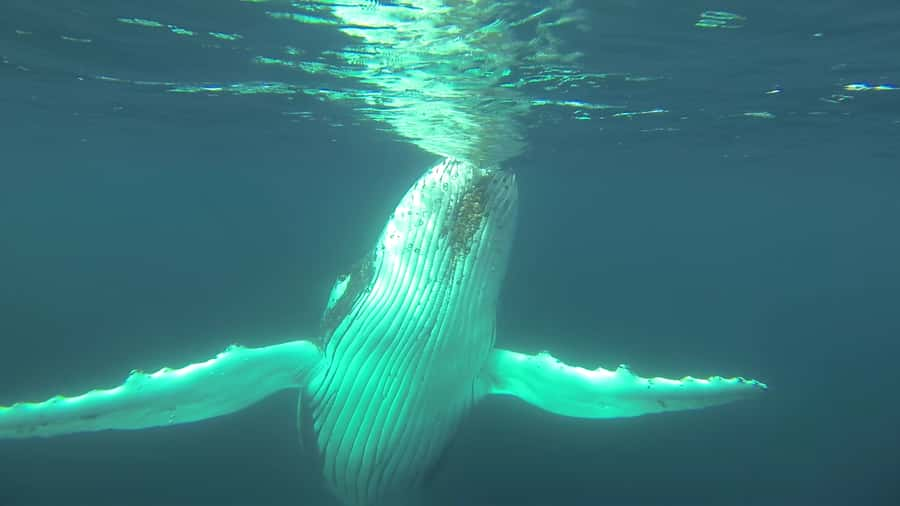
Humpback whales are the most likely target, but the species list is wider than that. Southern right whales, pygmy blue whales and minke whales may also appear. Blue whale sightings are less predictable, but several departures have recorded them, sometimes alongside humpbacks.
Dolphins are a frequent bonus. Pods have been seen close to the boat, sometimes putting on their own display. Seals are possible, and seabirds are seen on every tour according to the tour information. Flying fish have also appeared during some outings.
Nature sets the schedule, so no crew can promise breaching whales or a particular species. You might see a calm back and blow several times, or you might get tail slaps, breaches and whales moving around the boat. Both are proper wildlife encounters, but it is wise to set your expectations around sightings rather than stunts.
The no-whale policy helps reduce the risk of paying for a completely empty outing. If whales are not seen, you are offered a complimentary repeat tour. That does not guarantee a second booking will fit your holiday schedule, but it is a meaningful safety net.
How the trip suits families
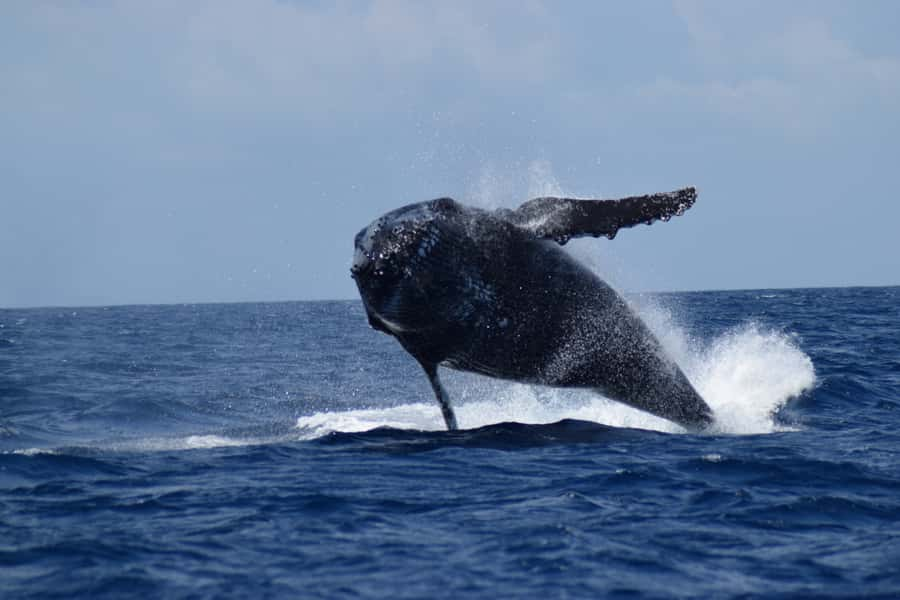
Children have plenty to look at, especially when dolphins or several whales are active. The open walk-around deck lets them change position, and the cabin offers a quieter place with educational books and shelter from the wind.
Still, two hours can feel long for a young child if the animals stay distant or the sea is rough. One family found the cabin helpful when children became bored. I would explain beforehand that wildlife watching involves waiting, then make the most of the educational material and the changing views around the boat.
The setup is also useful for adults who prefer not to stand in one place. You can watch from the upper level, move down closer to the water, or take a short break indoors. Pets are not allowed.
Is $67 good value?
At $67 per person, this is a strong-value wildlife cruise if you want a substantial outing rather than a short harbour trip. You receive roughly two hours or more on the water, a purpose-built vessel, crew commentary, access to multiple viewing areas, and the possibility of several marine species.
The price looks particularly fair when the whales are active. Some trips have watched multiple pods for the full duration, while others have extended the time on the water when whales remained close. That extra time is not something to count on, but it shows that the crew focuses on the wildlife rather than rushing back to the dock.
The value also comes from the small-group feel and onboard expertise. A cheaper boat with poor viewing space would not necessarily be a better buy. Here, the ability to move around and hear informed explanations makes the fee easier to justify.
You should still compare the total cost of your day. Transport to the harbour is not included, and you may need to allow for parking and food. Augusta passengers receive 10 percent off at the Colour Patch Cafe after the tour, which is a useful bonus if you are planning lunch nearby.
When the whales come close
The best moments are not always breaches. A whale surfacing beside the boat, a calf travelling with its mother, or several animals appearing on different sides can be just as exciting.
Some outings have seen mother humpbacks with calves, Southern Right whales with a calf, dolphins, and blue whales in the same trip. Other departures have had four humpbacks circling the boat, tail flicking and remaining close enough for the crew to keep watching.
The boat does not control the animals, and the crew cannot force a close encounter. What they can do is read the water, communicate with other charters and position the vessel safely. That active approach improves your odds without turning the trip into a chase.
Bring a camera, but do not spend the whole cruise staring at a screen. A whale can appear and vanish before you frame it. Watch first, photograph second.
A practical plan for the day
Book the departure that matches both the migration season and your road-trip route. Augusta is the sensible base from mid-May through mid-August, while Busselton or Dunsborough suit the southbound season from late August.
Arrive ready for changing conditions. Wear warm layers, bring your camera, and take motion-sickness medication if rough water may be a problem. Tea and coffee are available onboard, but do not treat that as a substitute for proper clothing or a meal before departure.
Keep your booking flexible if possible. Free cancellation is available up to 24 hours before departure, and you can reserve now and pay later. Check the start time and exact meeting point for your chosen port, since these can vary by option.
The tour is conducted in English. It works best for couples, families, photographers, wildlife fans and anyone driving through the Margaret River region who wants a substantial water activity without paying for a full-day charter.
Should you book it?
I would book this cruise if you want a well-priced whale-watching trip with room to move, useful commentary and a genuine chance of seeing several types of marine life. The strongest reasons are the purpose-built boat, experienced skipper, marine biologist and repeat-tour offer if no whales appear.
I would think twice only if you are very prone to seasickness or need a guaranteed short activity. The water can be rough, and wildlife never follows a script. For everyone else, choose the port that matches the season, dress warmly, and give yourself enough time to enjoy the bay rather than simply chasing a perfect photograph.
FAQ
How much does the whale-watching cruise cost?
The listed price is $67 per person.
How long does the cruise last?
The cruise lasts between two and 150 minutes, depending on the option and conditions.
Where does the cruise depart from?
Departures are available from Augusta, Busselton or Dunsborough. The exact meeting point depends on the option you book.
When is the best time to depart from Augusta?
Augusta departures operate from mid-May to mid-August, when humpbacks are travelling north.
When do Busselton and Dunsborough departures operate?
From late August, departures from Busselton and Dunsborough follow humpbacks travelling south toward Antarctica.
What happens if no whales are seen?
In the unlikely event that no whales are sighted, you are offered a complimentary repeat tour.
What should I bring?
Bring warm clothing and a camera. Pets are not allowed. If you may suffer from motion sickness, consider taking travel-sickness tablets before the cruise.
Just added around Australia
- From Hervey Bay: Remote K’gari Tour by Boat with Lunch★ 4.9 · 1,229 reviews
- Port Douglas: Quicksilver Outer Barrier Reef Full-Day Cruise★ 4.8 · 506 reviews
- Port Douglas: Outer Great Barrier Reef Snorkeling Cruise★ 4.9 · 711 reviews
- Port Douglas: Sunset Sailing Cruise on Luxury Catamaran★ 4.6 · 342 reviews
- Port Stephens: Dolphin Discovery Cruise★ 4.4 · 926 reviews
- Port Douglas: River Cruise, Crocodile Spotting, Drink/ Snack★ 4.6 · 353 reviews
- Port Douglas: Low Isles Glass Bottom Boat & Snorkeling Tour★ 4.7 · 469 reviews
- Port Arthur Tasman Sights with Harbour Cruise★ 4.8 · 358 reviews
Whale Watching, compared.
Eco-Yacht Whale and Dolphin Watching and Swimming
Read our review →
Whale & Dolphin Eco-Cruise with Snacks & Drinks
Read our review →
Dolphin & Whale Watching Cruise with Swim Stop
Read our review →Browse the lists this tour appears in