
REVIEW · SOUTH AFRICA
Hermanus: Boat Based Whale Watching Experience
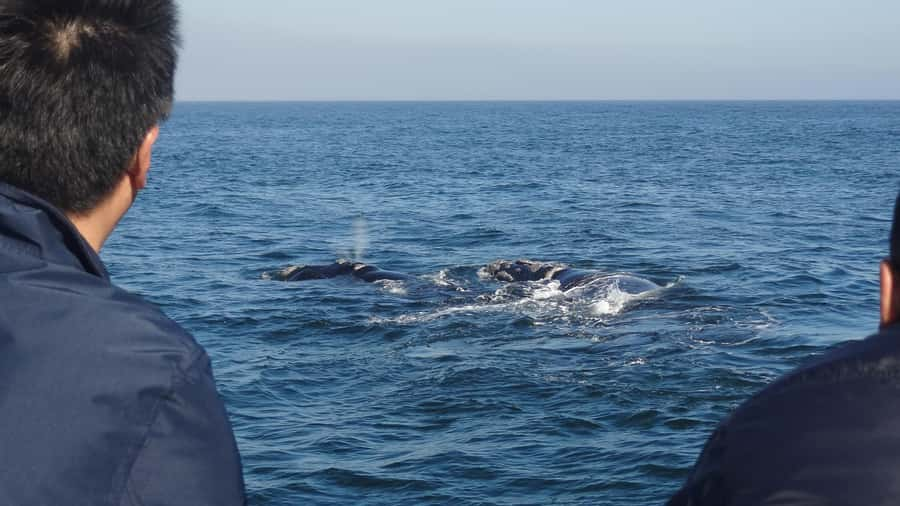
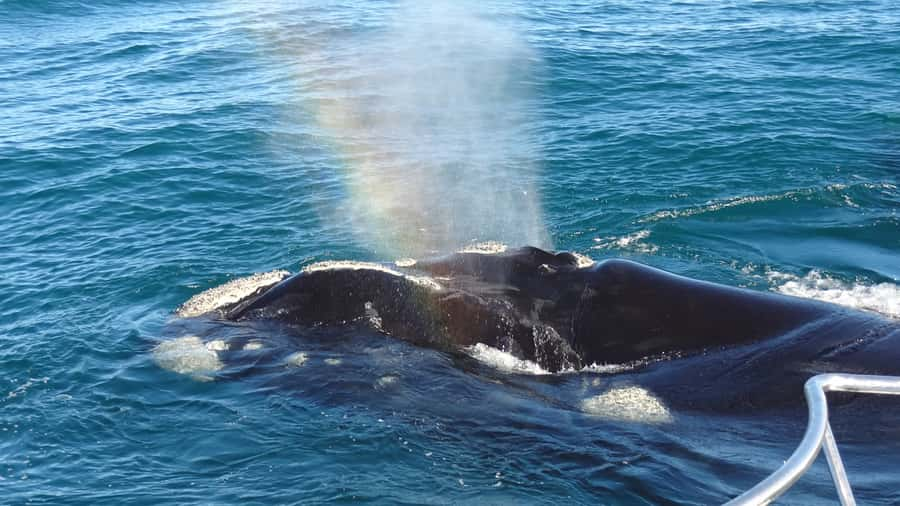
A whale surfacing beside a boat is the sort of sight that makes conversation stop. From Hermanus New Harbour, you head into Walker Bay to search for southern right whales in their natural setting, with dolphins, seals, and seabirds often joining the show. The best moments come when a whale chooses to approach the boat.
I like the respectful wildlife practice: the boat stops and switches off its engines near whales, rather than chasing them. I also like the large upper deck, which gives you a better chance of an open view and a decent photo, weather permitting. Guides such as Peter and Philip are praised for clear explanations and patient answers.
The main drawback is the sea itself. Afternoon water can turn rough, and several people found the motion hard if they were prone to seasickness. Whale sightings are never guaranteed, and late November or December can be less reliable as whales leave the bay.
Key points to know before boarding
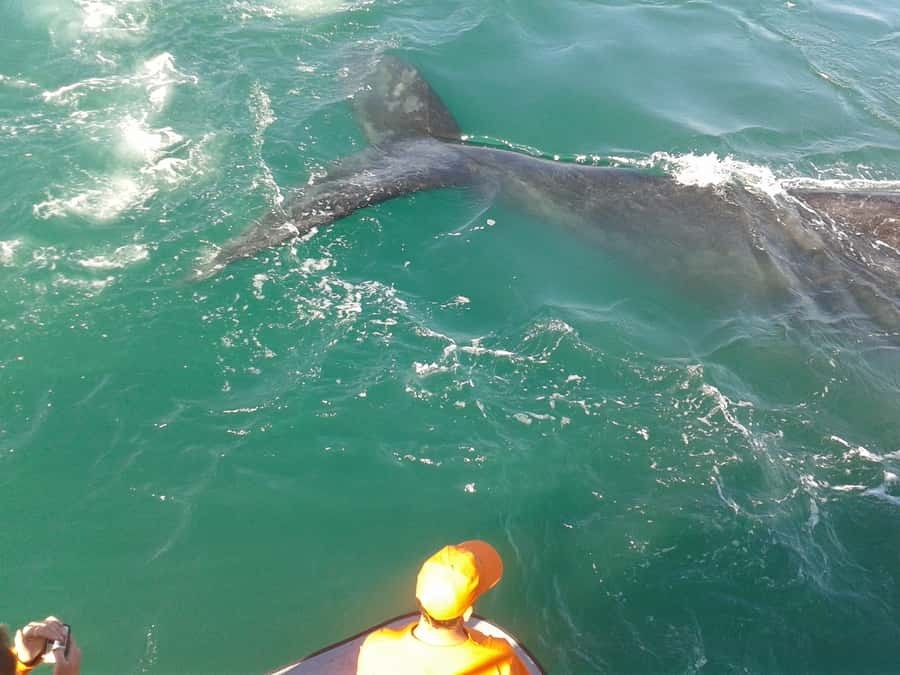
- Whales can approach the boat: The vessel stops at a respectful distance, but curious whales sometimes come closer for a look.
- Walker Bay wildlife is varied: You may see southern right whales, other whale types, dolphins, seals, seabirds, and occasionally a sunfish.
- The upper deck matters: It offers broad views, but access depends on weather and may be delayed until whales are found.
- August through October is the safer season: Sightings can continue later, but late-season trips may involve a longer search.
- The boat ride lasts 90 minutes to two hours: The exact time depends on conditions and wildlife activity.
- Plan for wind and spray: Wear warm layers, flat shoes, a windbreaker, and weather-ready clothing.
Hermanus New Harbour is the real starting point
You meet at the Hermanus New Harbour, in the orange building on the right just after entering the harbor. Arrive 30 minutes before departure. The R5 harbor entrance fee is separate, and your physical ticket is issued on the day when you arrive.
That small bit of planning matters. This is not a walk-up-from-the-street experience. You need time to find the building, pay the harbor entrance fee, collect your ticket, and settle in before the safety briefing.
Coffee is included on arrival, and water is available on the boat. Wear flat shoes, since you will be moving around a vessel and may want to change position as animals appear. A warm jacket is not optional in spirit, even on a pleasant day in town. The bay can feel much cooler once the boat is moving.
The tour is in English, and the activity suits all ages. The practical challenge is not walking or climbing so much as handling the motion of the sea.
More Whale Watching Trips in South Africa:
- Hermanus: Whale and Dolphin Watching Boat Trip
★ 4.6 · 807 reviews - From Cape Town: Hermanus Whale Watching Boat Trip
★ 4.4 · 378 reviews - Plettenberg Bay: Whale Watching Boat Cruise
★ 4.4 · 362 reviews
The safety briefing sets the tone
Before leaving the harbor, the crew explains how the trip works and what kinds of whales you might see. This introduction is useful because it gives you something to watch for beyond a large shape on the horizon.
You learn how the boat operates around whales. Once the crew finds them, the vessel moves closer only within the permitted approach distance, then stops and disengages the engines. That protects the whales from propellers and quiets the scene for everyone on board.
I appreciate this approach. Whale watching works best when the animal remains in charge. The boat is there to observe, not to force an encounter. Sometimes the whale simply stays in the distance. Other times, its curiosity brings it near the vessel.
In good weather, you may use the top deck before departure. If conditions are poor, the crew may keep everyone below until whales are located, then allow access upstairs. That rule protects you from a rough ride before the boat reaches the calmer viewing point, but it also means the best position is not guaranteed from the first minute.
The ride across Walker Bay is part of the experience
The boat leaves Hermanus New Harbour and heads out across the water. This first stretch gives you a different view of Hermanus and the Western Cape, with the town receding behind you.
The trip is not a straight transfer to a fixed viewing platform. The crew searches for wildlife, and the route depends on where the animals are found. That makes each outing slightly different. It also explains why the advertised duration can be listed as 90 minutes or as roughly 1.5 to two hours.
The vessel has been praised for being comfortable and fast, with a sizable upper deck. Some departures may feel more crowded than others, so arriving early is sensible if you want a particular viewing place. A boat with a broad upper area gives you more freedom to move as sightings shift from one side to the other.
You will want to hold your camera securely. Rougher water makes photography difficult, particularly later in the day. A phone pouch or strap is a practical idea, though you should still protect your equipment from spray.
Whale watching rewards patience
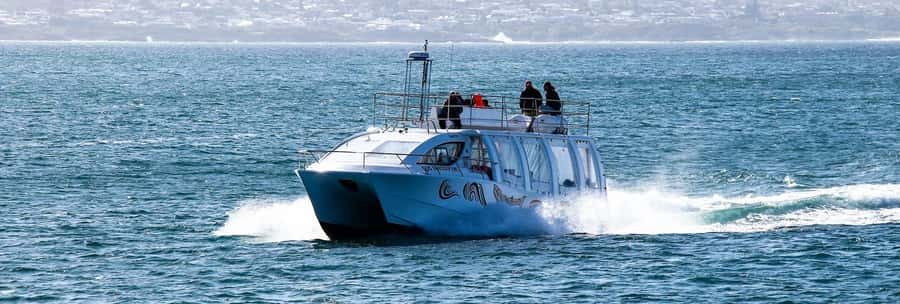
The highlight is simple: you wait, watch, and let the crew do the searching. Experienced guides can spot a blow or a back at a distance, then direct your attention to the right part of the bay.
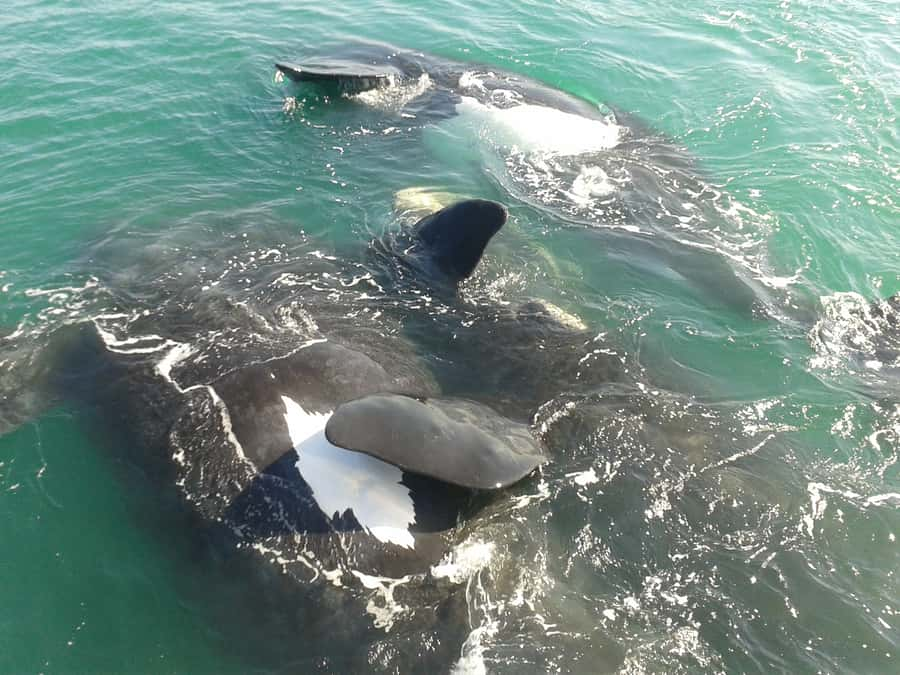
Southern right whales are the main seasonal draw in Hermanus. You might see a mother and calf near the surface, several whales resting together, or a whale breaching farther away. A rare white calf has been seen in the bay, but that is an unusual stroke of luck, not something to expect.
The behavior is often quieter than people imagine. A whale may surface, breathe, and disappear. It might show its back or tail without breaching. That can still be a powerful sight, especially when you remember that you are watching a wild animal rather than a trained performance.
At other times, the action is dramatic. People have seen whales breaching, circling the boat, and approaching close enough to make the size of the animal clear. The crew gives you time to watch instead of rushing away after one quick sighting.
The trip’s strongest feature is this balance between access and restraint. You may get a close look, but the whale decides how close the encounter becomes.
A few more boat days around South Africa worth a look
- Cape Town: Hop-On Hop-Off Bus Tour with Optional Cruise
★ 4.8 · 3,929 reviews - Cape Town Hop-On Hop-Off City Tour with Optional Cruise
★ 4.5 · 1,793 reviews - Cape Town: Sunset Champagne Cruise
★ 4.6 · 1,083 reviews - Cape Town: Scenic 1-Hour Coastal Catamaran Cruise
★ 4.6 · 777 reviews
Dolphins and seals add movement to the search
A whale trip is not only about whales. Dolphins can appear in large groups, sometimes in such numbers that they become the main spectacle for a few minutes. You may see them traveling beside the boat or cutting across its path.
Seals are another possible sight, and seabirds are part of the wider marine scene. A sunfish has also been spotted close to the boat, though that is an uncommon bonus.
This variety matters on a day when whales are slow to reveal themselves. You are still watching a living marine environment rather than sitting through an empty search. It also gives children something to look for between whale sightings.
Still, keep expectations in check. One outing may bring whales, dolphins, and seals. Another may bring whales but no dolphins, or dolphins without a close whale encounter. Marine wildlife does not follow a schedule.
The guides turn sightings into understanding
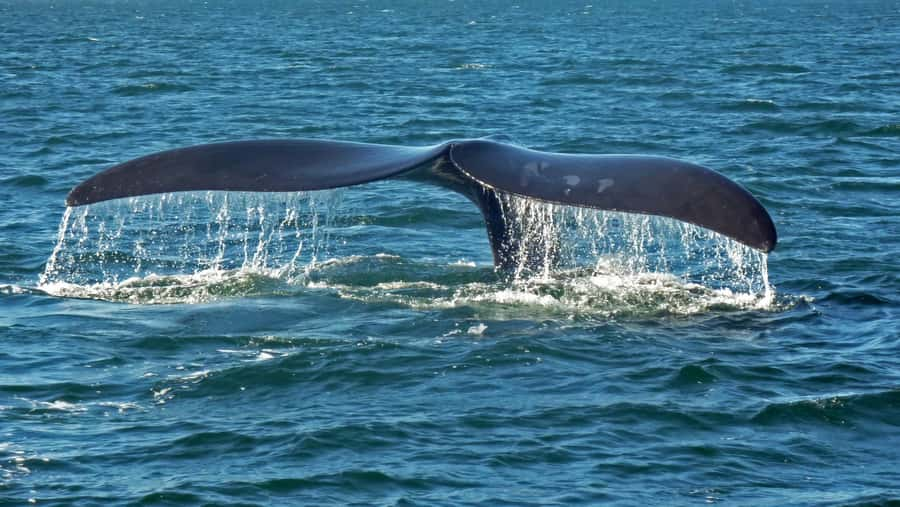
The crew does more than point toward an animal. Guides explain the whales you might see, their behavior, and the reasons for keeping a careful distance. They also answer questions during the trip.
Peter and Philip are among the guides praised for their clear, friendly explanations. The useful quality here is not a long lecture. It is having someone who can explain what you are seeing while the animal is still in view.
Good guiding also helps you avoid a common problem: staring at the wrong patch of water. A guide can identify a distant blow, direct your gaze, and explain why a whale may surface again in a certain area.
The crew’s attitude toward the animals is important. The boat does not keep its engines running beside whales. It stops, waits, and lets the wildlife set the pace. That gives the outing a calmer feel and makes the close encounters more meaningful.
Choosing the best time of year
For the strongest chance of repeated whale sightings, aim for August, September, or October. These months produced reports of mothers with calves, multiple whale types, breaching, and large dolphin pods.
September and October appear especially rewarding for variety and close encounters. The bay can still be productive in November, including late November, but the search may take longer as whales begin to leave.
December is a more uncertain choice. Some trips still find whales, while others encounter mainly dolphins because many of the western whales have migrated. If seeing a whale is the central reason for booking, an earlier date gives you better odds.
Weather matters within each season. Wind and afternoon conditions can make the sea rougher and photography harder. You can ask about conditions when you arrive, but remember that the final decision is controlled by weather and safety.
What the $93 price really buys you
At $93 per person, this is not a cheap harbor cruise. The value depends on what you want from the day.
You are paying for a dedicated wildlife search, a crew that knows the bay, a guided briefing, time on the water, and the chance to see large whales at close range. The boat also gives you a view of Hermanus that you cannot get from the shore.
The price feels strongest when you see several kinds of marine life or spend meaningful time with whales and calves. A mother and young whale near the boat can make the cost feel justified in an instant.
The risk is that nature does not provide a refund in the form of guaranteed sightings. You could spend much of the trip searching, or see whales only at a distance. If your budget is tight and you need certainty, this is worth considering carefully.
The free cancellation option, available up to 24 hours before departure, reduces some booking risk. You can also reserve and pay later, which helps if your weather plans are still unsettled.
Who will enjoy this boat trip most
This experience suits families, couples, older children, and anyone who wants a focused marine wildlife outing without committing to a full day at sea. It is also a good fit if you are staying in Hermanus and want an activity that combines wildlife with coastal views.
You should be comfortable with a moving boat. The trip is suitable for all ages, but that does not mean it is gentle in rough conditions. If you get seasick easily, take the warning seriously. The boat may be comfortable, but the ocean can still make the outing unpleasant.
Photographers should bring warm clothing and protect their equipment. The upper deck gives the best open views, though access depends on the weather and the crew’s safety decision.
This is less suitable for someone who wants a guaranteed close-up photograph. Wildlife watching involves waiting, changing light, spray, and animals that may appear only briefly.
Practical details that make the day easier
Arrive 30 minutes early at the orange building inside Hermanus New Harbour. Bring the separate R5 harbor entrance fee, and collect your physical ticket on arrival.
Wear several warm layers rather than relying on one heavy coat. Add a windbreaker, sun hat, sunscreen, and flat shoes. The sun can still be strong on the water, even when the air feels cold.
Keep your schedule flexible. The trip is weather dependent, and the time on the water may run closer to 90 minutes or extend toward two hours. Do not arrange a tight connection immediately afterward.
If you want the best chance of an open view, ask about upper-deck access when you check in. In safe conditions, you may go up before departure. In rougher weather, you may need to wait until the boat reaches the whales.
The activity includes water and coffee on arrival. Other food should not be assumed, so eat beforehand if you know you get hungry or seasick on an empty stomach.
Should you book Hermanus Whale Watchers?
I would book this trip if you want a serious whale-watching outing with a strong chance of seeing more than one kind of marine life. The best reasons are the careful engine-off approach near whales, the large upper deck, and guides who explain what is happening without turning the trip into a lecture.
Choose an August to October departure if your dates allow it. Late-season trips can still be memorable, but December and the end of November carry a greater chance of fewer whales.
Skip it if rough water would spoil your day or if you need a guaranteed sighting. For most people who accept the uncertainty of wildlife watching, the chance to see a mother and calf, a pod of dolphins, or a whale surfacing beside the boat makes this a worthwhile use of time in Hermanus.
FAQ
Where does the whale-watching boat leave from?
The boat leaves from Hermanus New Harbour. Go to the orange building on the right after entering the harbor.
How early should I arrive?
Arrive 30 minutes before the scheduled departure. The physical ticket is provided when you arrive on the day.
How long does the trip last?
The trip is advertised as 90 minutes, with some descriptions allowing 1.5 to two hours. The exact length can depend on conditions and wildlife activity.
What animals might I see?
You may see whales, dolphins, seals, and seabirds. Southern right whales are among the main sights, and some trips have seen several whale types or a sunfish.
What should I wear?
Wear warm, weather-appropriate clothing, including a windbreaker or jacket. Flat shoes, a sun hat, and sunscreen are recommended.
Is the trip suitable for children and people prone to seasickness?
The activity is suitable for all ages, but rough sea conditions can be difficult for anyone prone to seasickness. Trips also operate only when weather conditions allow.
Just added around South Africa
- Plettenberg Bay: Whale Watching Boat Cruise★ 4.4 · 362 reviews
- Knysna: 75-Minute Lagoon Boat Cruise★ 4.5 · 445 reviews
- From Cape Town: Hermanus Whale Watching Boat Trip★ 4.4 · 378 reviews
- Hermanus: Whale and Dolphin Watching Boat Trip★ 4.6 · 807 reviews
- Hartbeespoort: 2-Hour Dam Cruise with South African Food★ 4.4 · 621 reviews
- Durban: 30-Minute Harbor Boat Cruise★ 4.7 · 665 reviews
- Durban Point Waterfront: Luxury Canal Boat Cruise★ 4.4 · 298 reviews
- Cape Town: Gansbaai Eco-Friendly Shark Cage Diving Cruise★ 4.6 · 326 reviews
Whale Watching, compared.
Eco-Yacht Whale and Dolphin Watching and Swimming
Read our review →
Whale & Dolphin Eco-Cruise with Snacks & Drinks
Read our review →
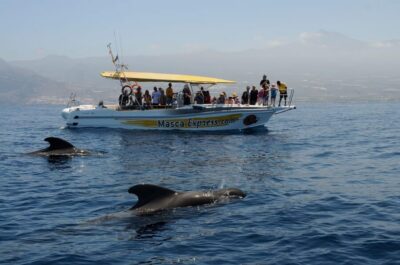
Dolphin & Whale Watching Cruise with Swim Stop
Read our review →Browse the lists this tour appears in